
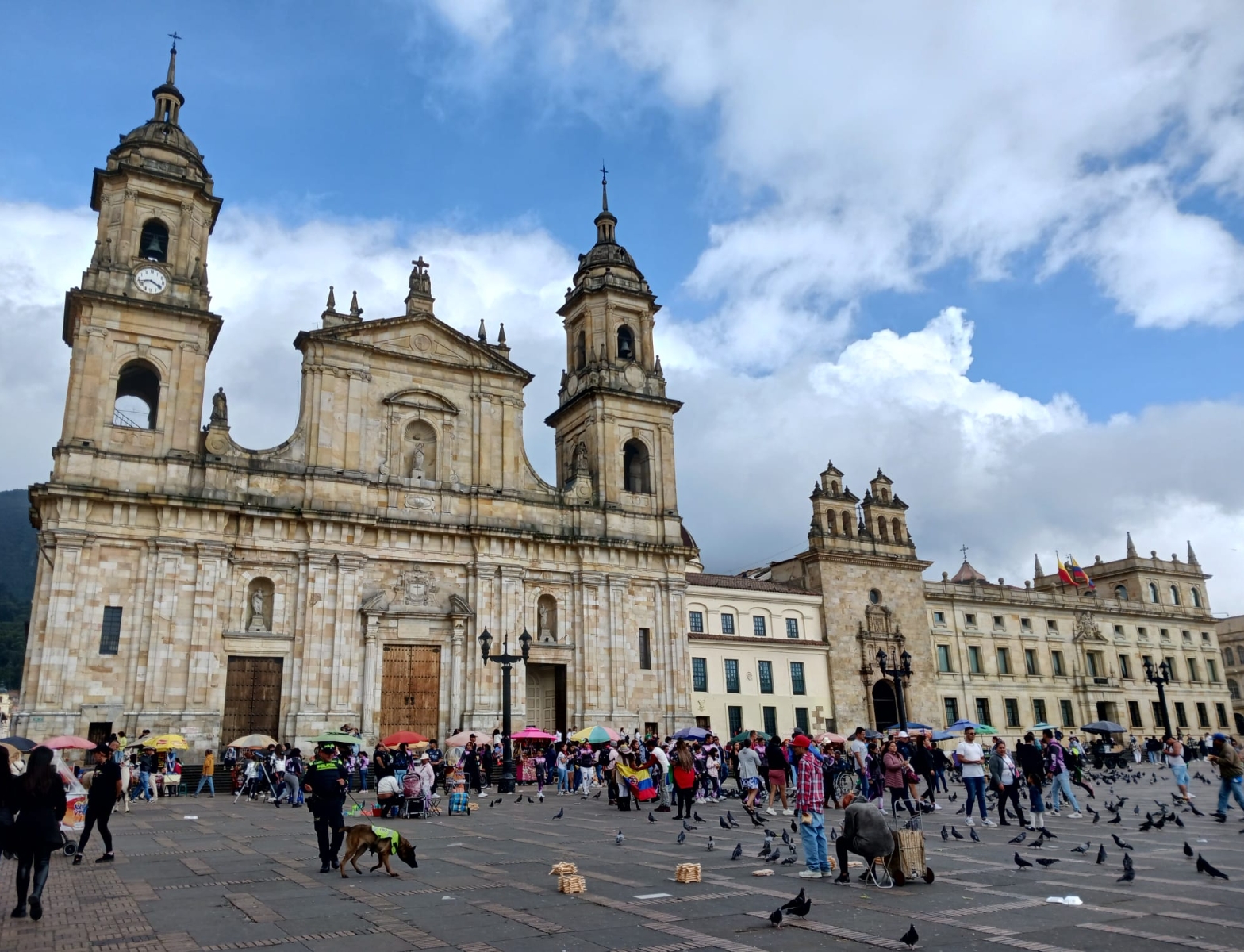
The Hairy giraffe… IN COLOMBIA
The fifteenth and final destination of our world tour, Bogotá became the obvious choice. Indeed, since it’s impossible to fly directly from Bolivia to Europe, we had the option of passing through Brazil (already done), Argentina (we’ll go one day), or Colombia.
So here we are, spending a little over 24 hours in the Colombian capital.
PROGRAM FOR OUR ONE-DAY LAYOVER IN BOGOTA
Our Arrival
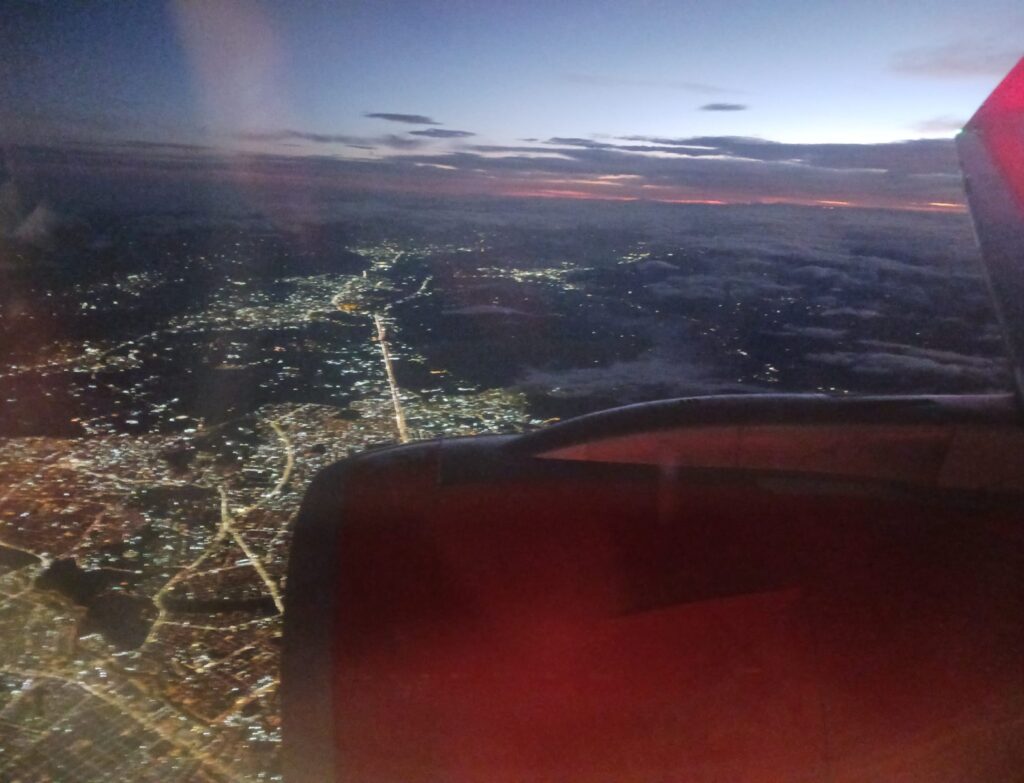
The flight from La Paz was already difficult. Not so much because of turbulence, but because it was a night flight. We left La Paz at 3:15 AM and arrived in Bogotá around 7:00 AM. So, we practically pulled an all-nighter. After 8 months of traveling and a lot of accumulated fatigue, it didn’t help us feel fresh and ready to explore a new place.
Upon our arrival at Bogotá airport, we faced the longest customs line. One of the longest we’ve had so far. After waiting nearly 90 minutes, we finally face the customs officer who… pulls François aside and takes him elsewhere! Surprise: Canadians (and only Canadians!!) have to pay an entry tax.
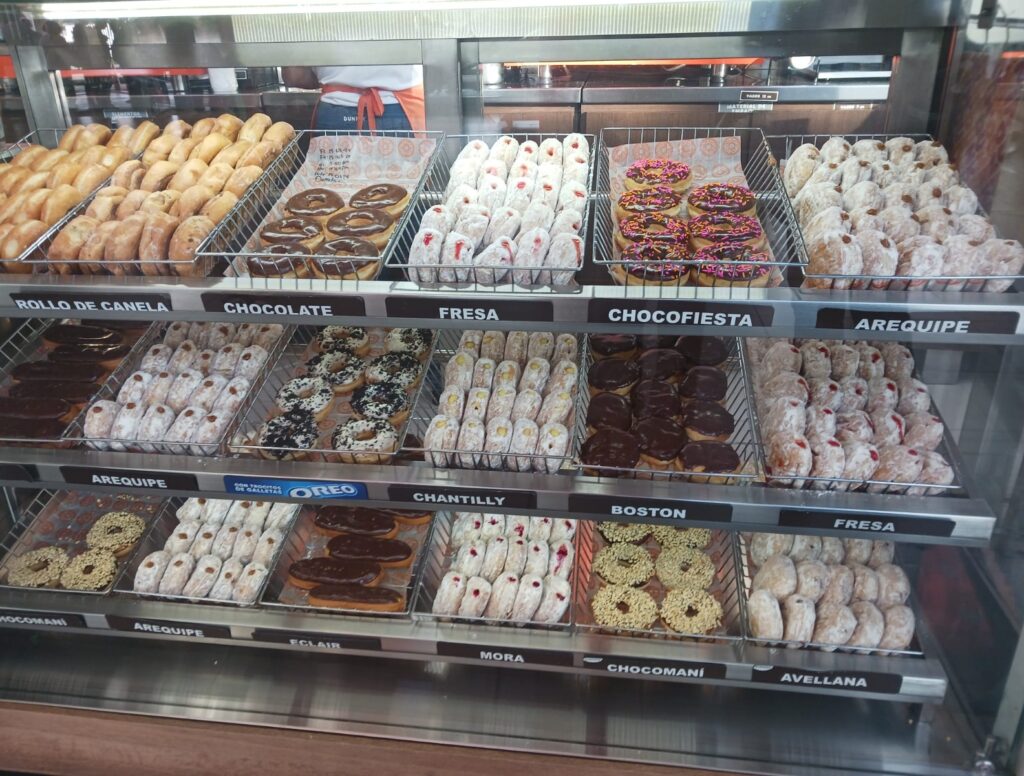
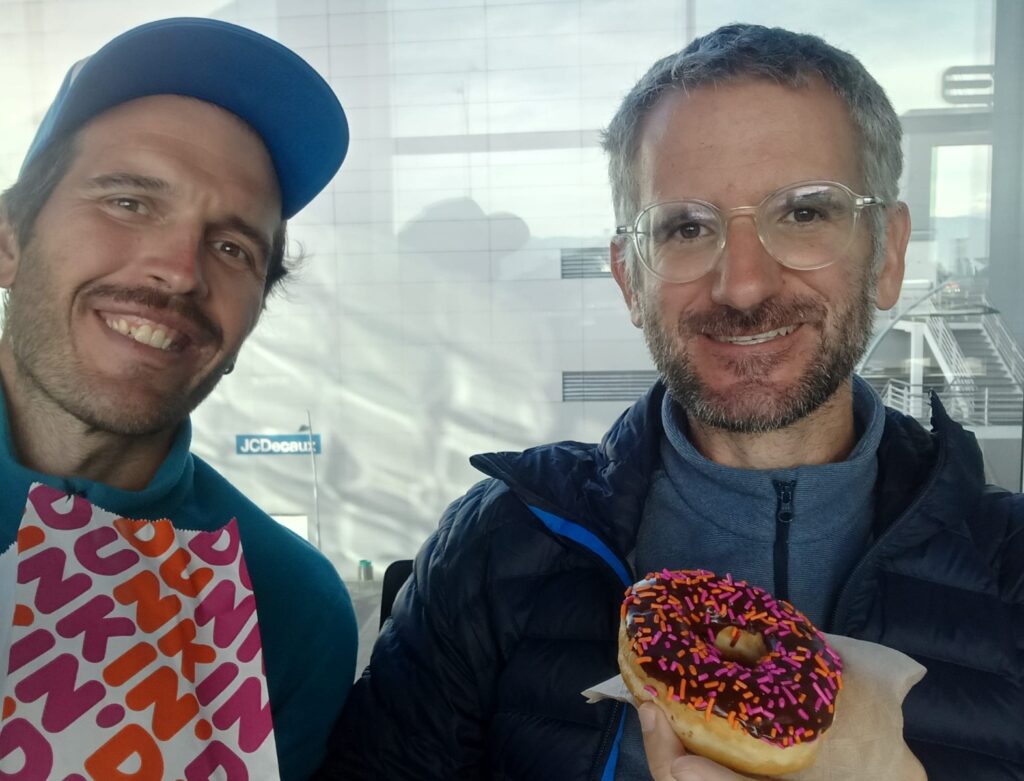
Once the tax is paid and the passports stamped, we have some time to kill. Our hotel can’t accommodate us before 3:00 PM. We grab some Dunkin’ before passing the time sitting on a bench in the terminal, just like Tom Hanks.

We leave the airport around noon for the hotel.
On the road, we are surprised by the landscape: tall, numerous, leafy, and lush green trees stand everywhere. We haven’t seen this many trees and greenery since Australia. Santiago is not a green city, and the Atacama and South Lípez deserts are… deserts! It’s pleasant!
We drop off our bags at the hotel before setting out in search of food. We end up in a well-known fast food place. We’re not taking any risks: it’s not the time to get sick with 48 hours left of the trip. Plus, it has to be said, a little comfort food feels good.
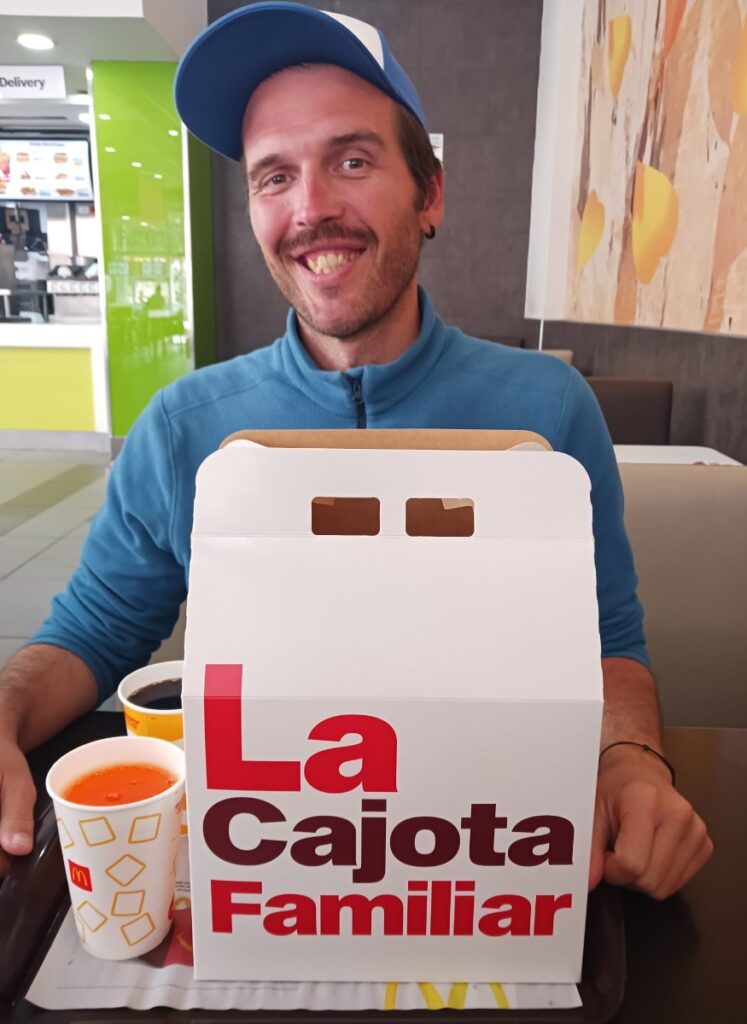
We’re going back to the hotel to rest before heading out to do some shopping.
“Security in Bogotá”
Colombia is not a safe country, and the capital is not the exception that proves the rule.
According to the Ministries of Foreign Affairs of France and Canada, violent assaults are common in several cities across the country, particularly in Bogotá. Snatch-and-grab thefts by scooter riders, armed robberies, and hold-ups on public buses show that crime knows how to diversify.
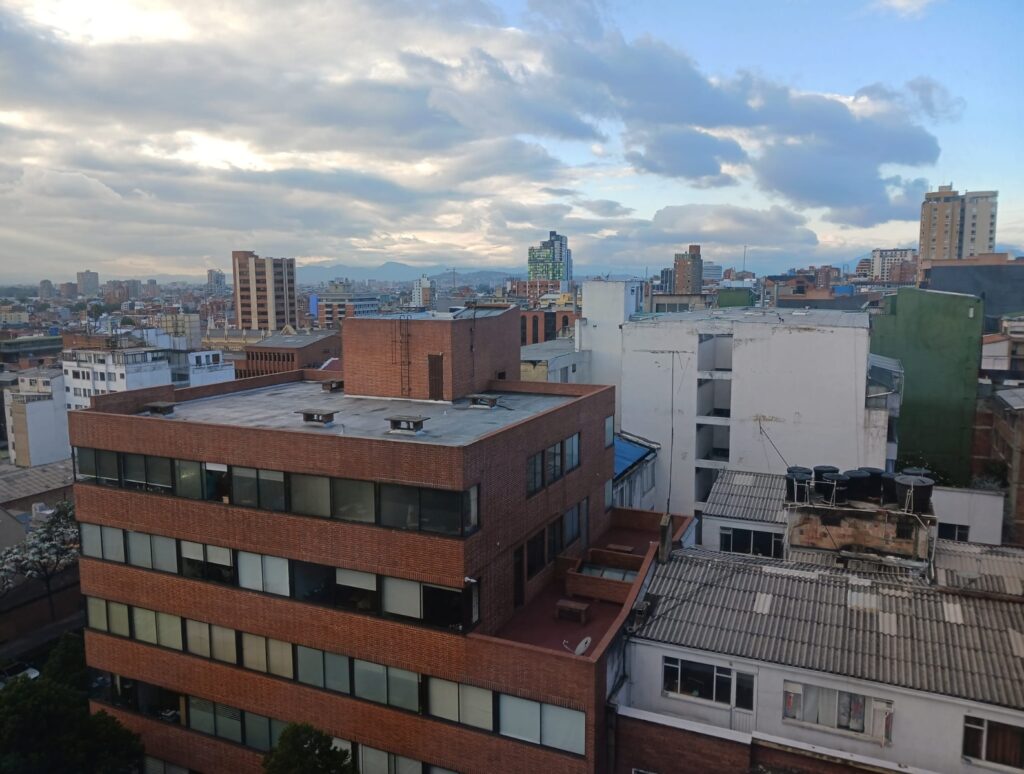
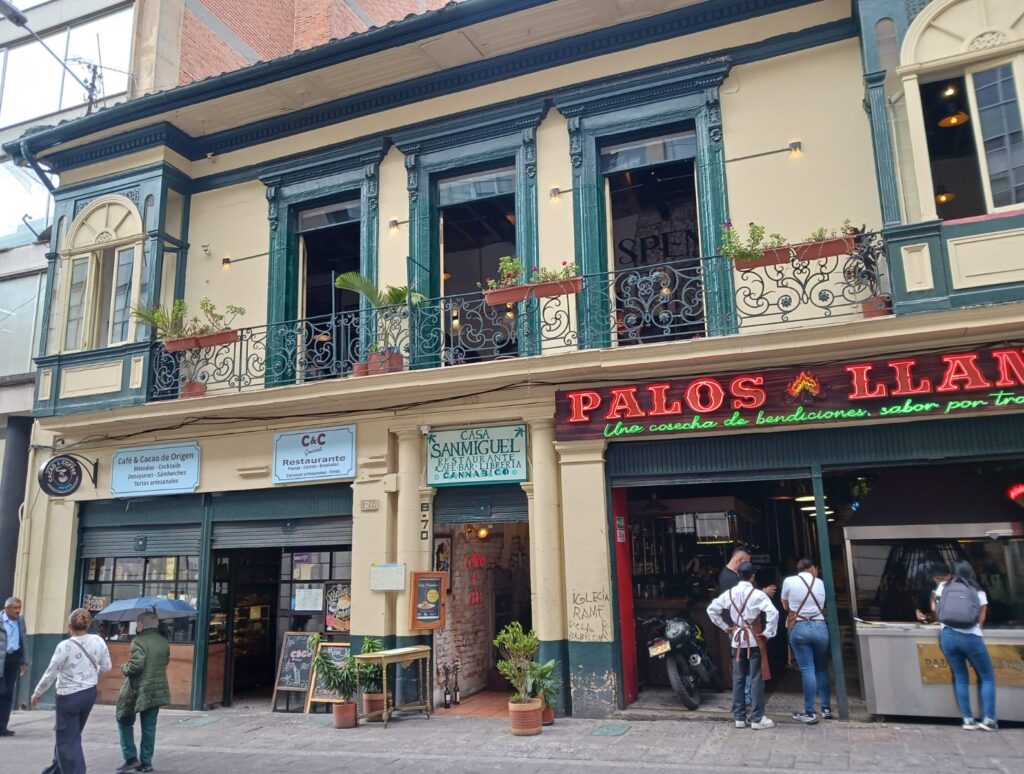

Tourists are obviously also easy and preferred targets. It is strongly advised against hailing a taxi on the street, as you risk being kidnapped. One should avoid walking around with obvious signs of wealth to not attract attention. It is even recommended to go out with almost nothing, just the bare essentials (this really reminds us of Brazil). Basically, only carry what you’re willing to lose. Going out at night is obviously to be avoided. According to the Ministry of Foreign Affairs, tourists are increasingly falling victim to scopolamine attacks, a psychoactive drug. This drug is placed in drinks at nightclubs or blown directly into the face, known as the ‘devil’s breath.’ The victim then loses their will, becomes completely pliable, and ultimately remembers very little.
Colombia is also a key country in the drug trade. Therefore, we can only advise you to always keep an eye on your luggage, especially when passing through airports. Cocaine can easily be slipped into your suitcase, causing you a lot of trouble when going through customs. Colombian customs officers and police do not take drug trafficking lightly.
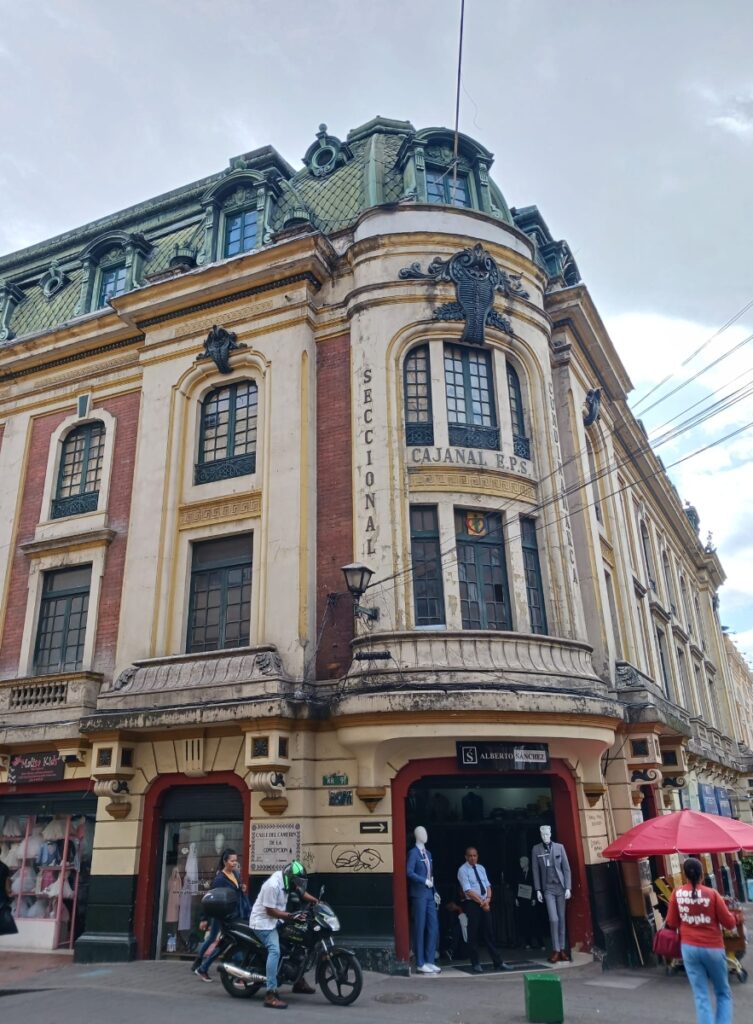
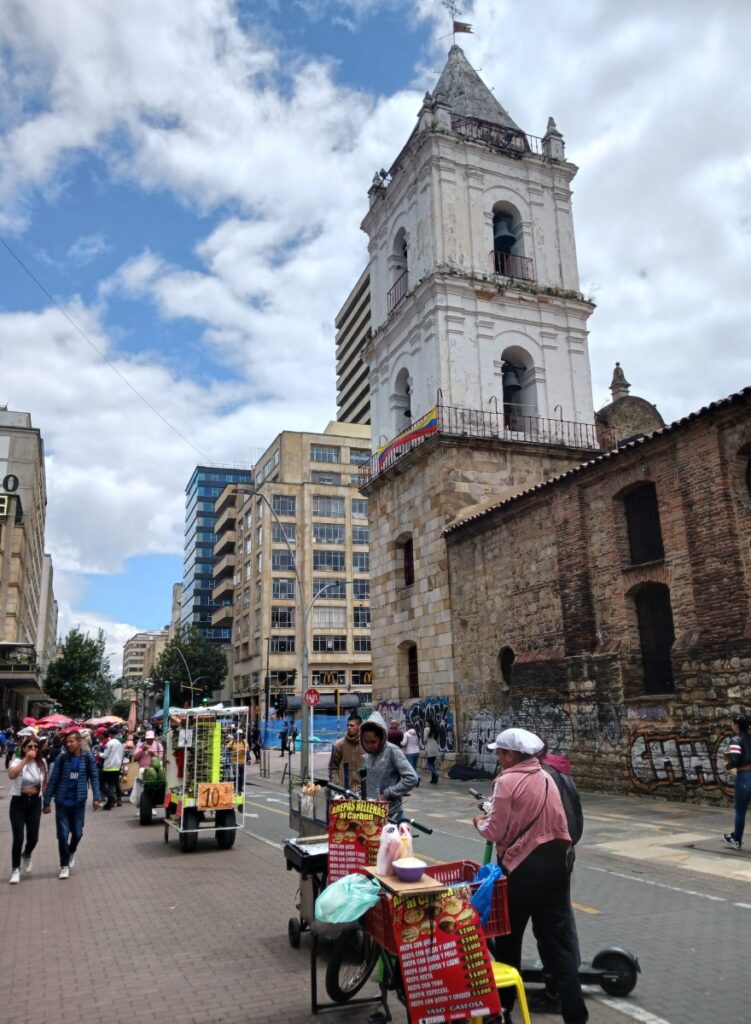
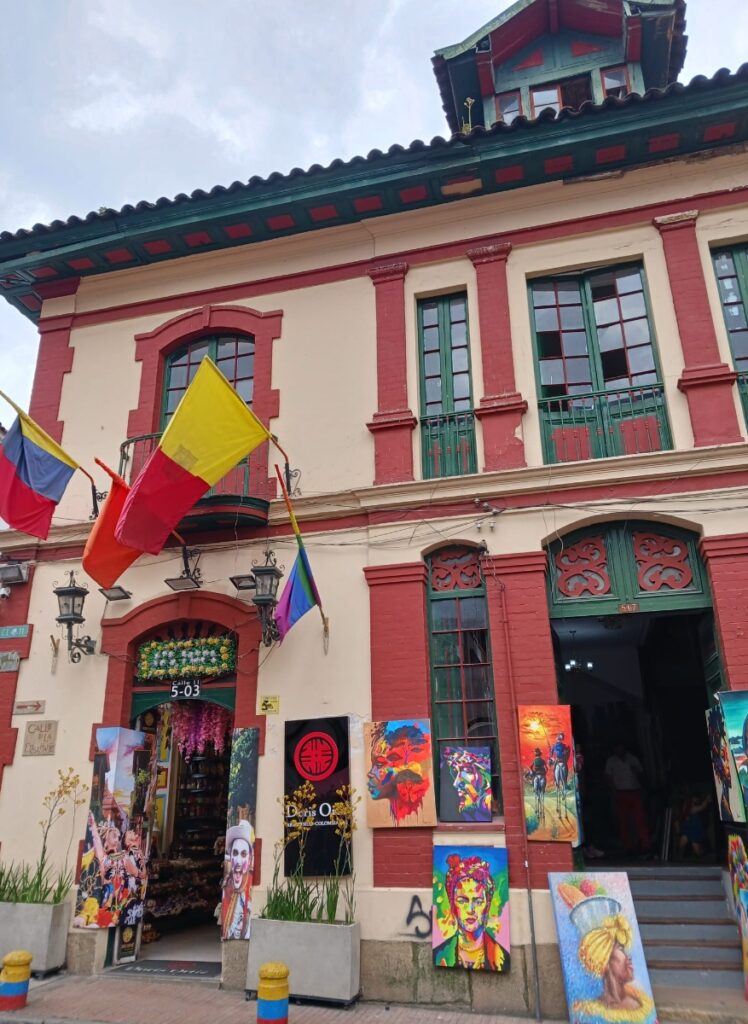
If you listen closely while strolling through the tourist streets of Bogotá, you might hear some locals discreetly offering you illegal substances. We strongly advise against buying any drugs to avoid potential legal issues and danger.
Despite all this, during our time in Bogotá, we didn’t feel as unsafe as we expected. Of course, we were less at ease than in the streets of Santiago or even La Paz, but it wasn’t as bad as São Paulo. The locals also seem pretty relaxed. They don’t hesitate to walk around with their phone in hand and their bag across their shoulder, something we didn’t see at all in Brazil. Aside from the entrances of banks, we didn’t see any armed security guards or barbed wire, while those were common in front of every building in Brazil.
Social Inequalities
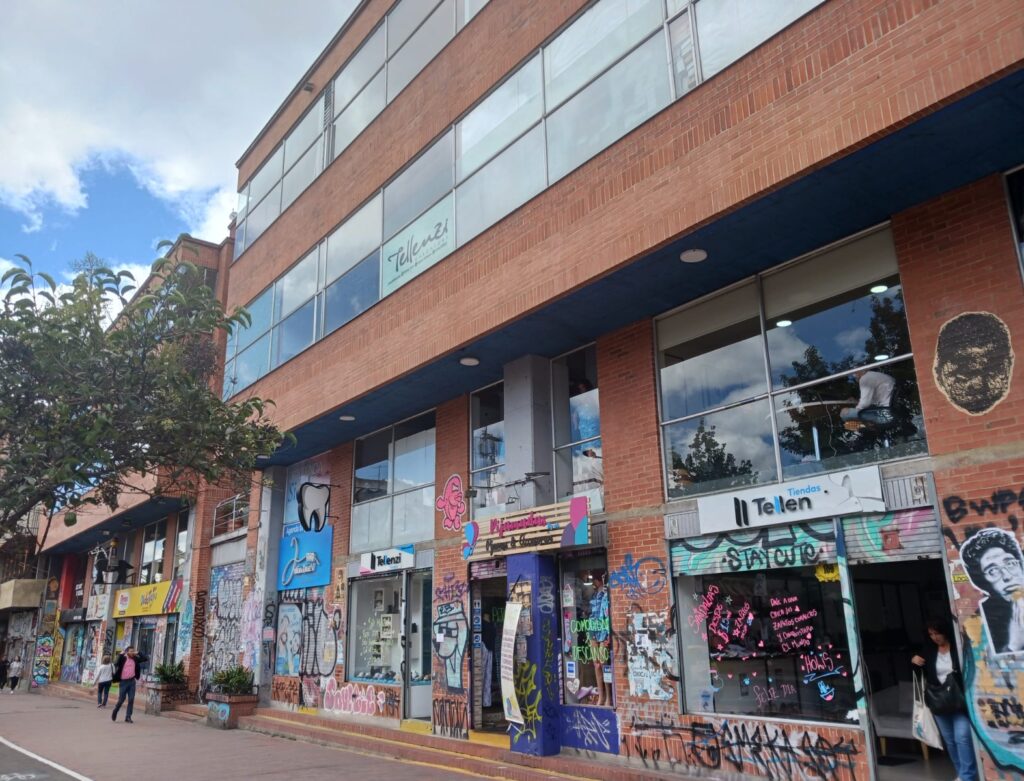
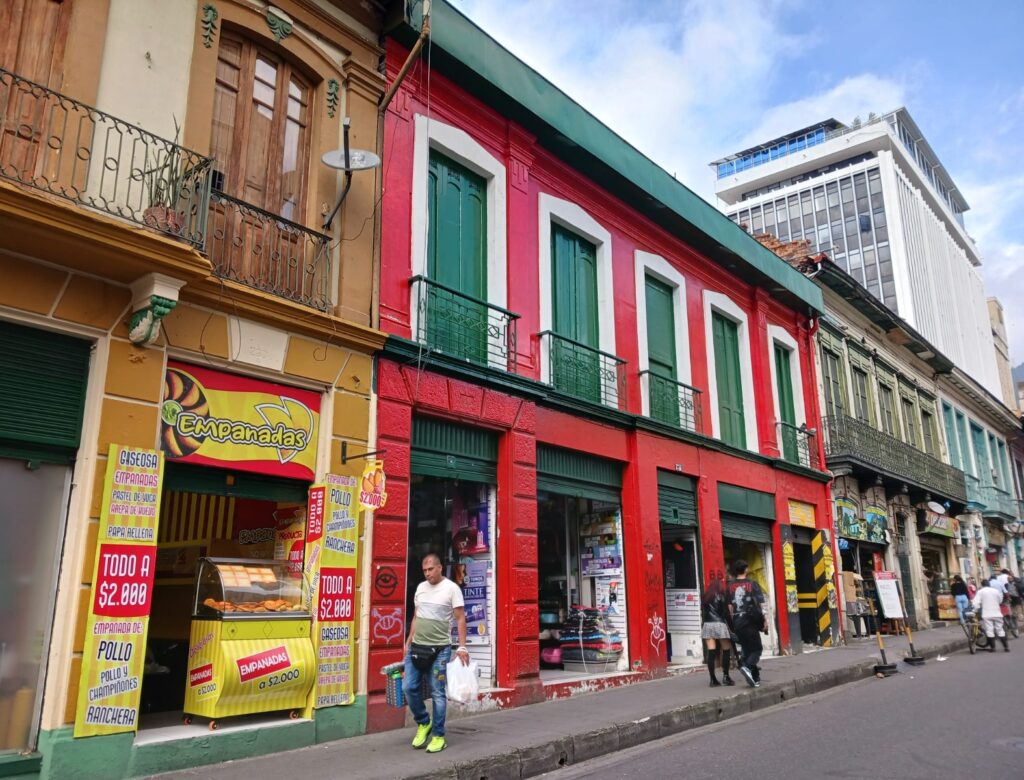
At first glance, Colombia is a much wealthier country than Bolivia. The buildings in Bogotá are in much better condition than those in La Paz. The cars driving through the streets aren’t at risk of falling apart, and the collectivos have disappeared. Supermarkets are much more common and offer a fairly varied range of products. Meats and dairy products are also kept cool.
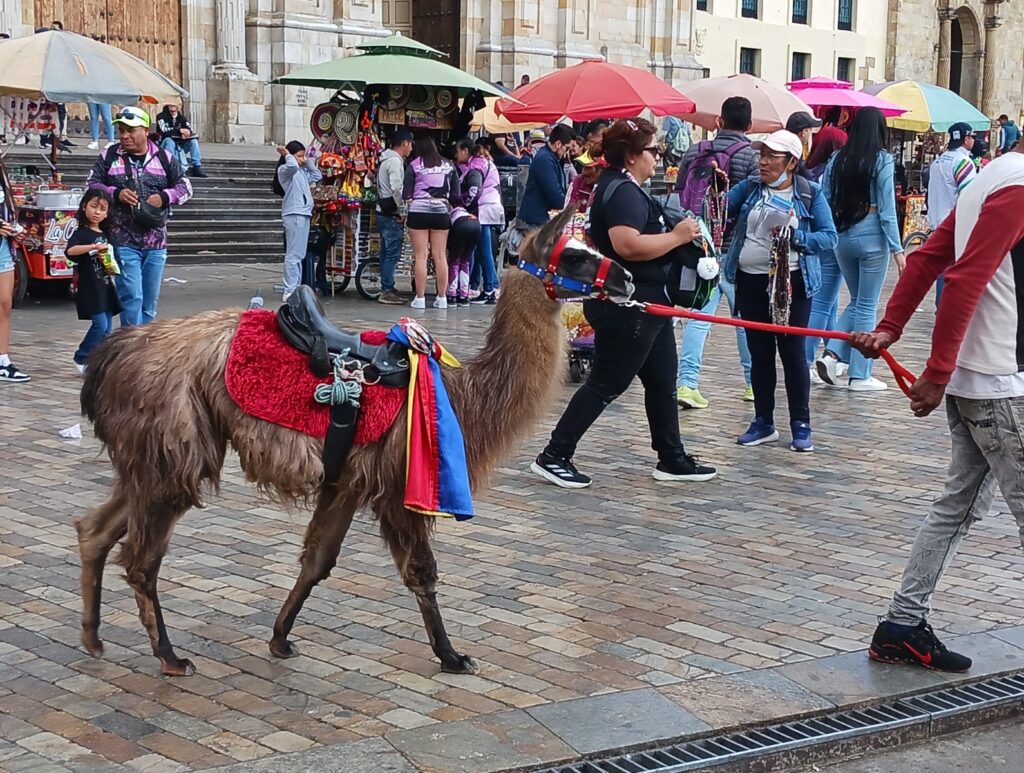
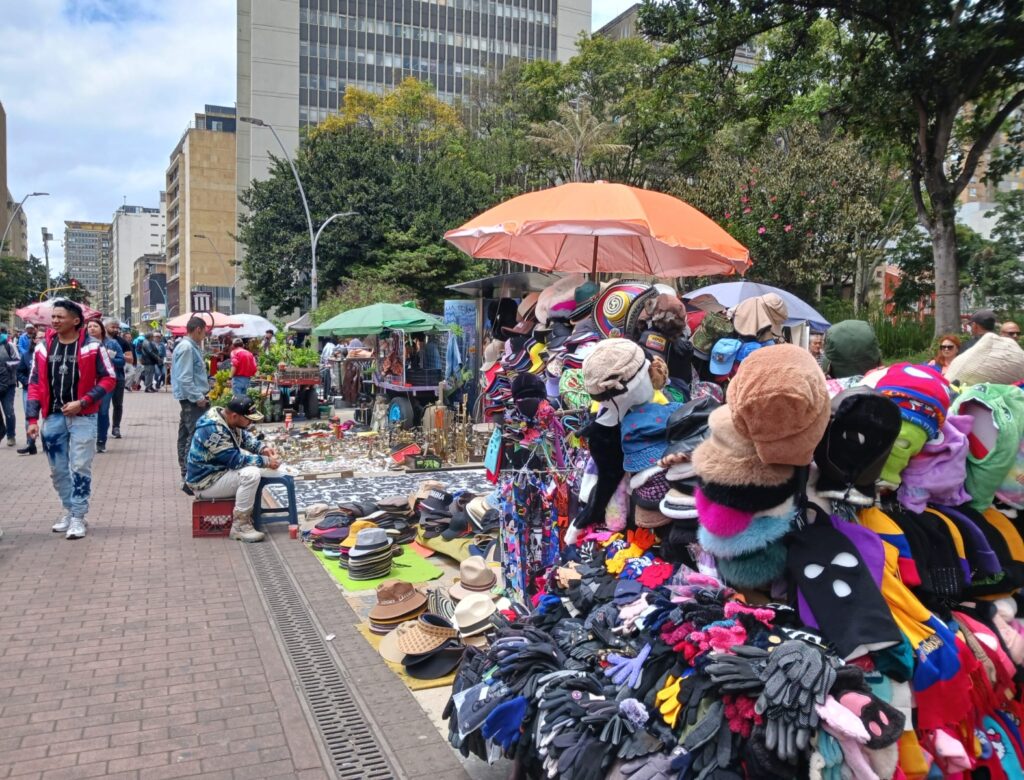
Despite everything, social inequalities are very much present. The number of homeless people is quite impressive. Improvised camps are visible along the roads leading to the historic center. Many beggars are also asking for money. We have never been asked for money as much since our arrival in South America as during these 24 hours in Bogotá. There are individuals clearly in great difficulty asking for money (or a cigarette), but also couples with young children. We even met a lady at the supermarket, her arms full of groceries, who asked if we could pay for her. In all the cases we saw, tourists seem to be the easy target. Few beggars who approached us went on to ask locals after being turned down.
Getting Around
As mentioned earlier, we avoided taking buses and hailing taxis on the street. At the airport, ‘official’ taxis can be taken to reach the city center. We preferred to use Uber for getting around. In addition to being easy to use, the app handles the payment, so there’s no need to have (or take out) cash to pay for the ride. The drivers are also rated, which increases the sense of security. Still, make sure to lock your door and close your window to avoid any unpleasant surprises when the car is stopped. It’s important to know that while Uber is available and widespread in Colombia, it is still illegal. To ‘blend in’ with the crowd, drivers may ask you to sit in the front seat so their cars don’t appear to be carrying passengers.
The traffic laws, as seems to be the case everywhere in Latin America, are not respected. Priorities are ignored, and vehicles don’t hesitate to cut each other off. The number of scooters in the city’s streets is also quite impressive, increasing the flow of vehicles and contributing to traffic jams. The traffic jams, which are very frequent, lengthen the duration of your trips: something to consider when planning your travels.
Our One-Day Layover
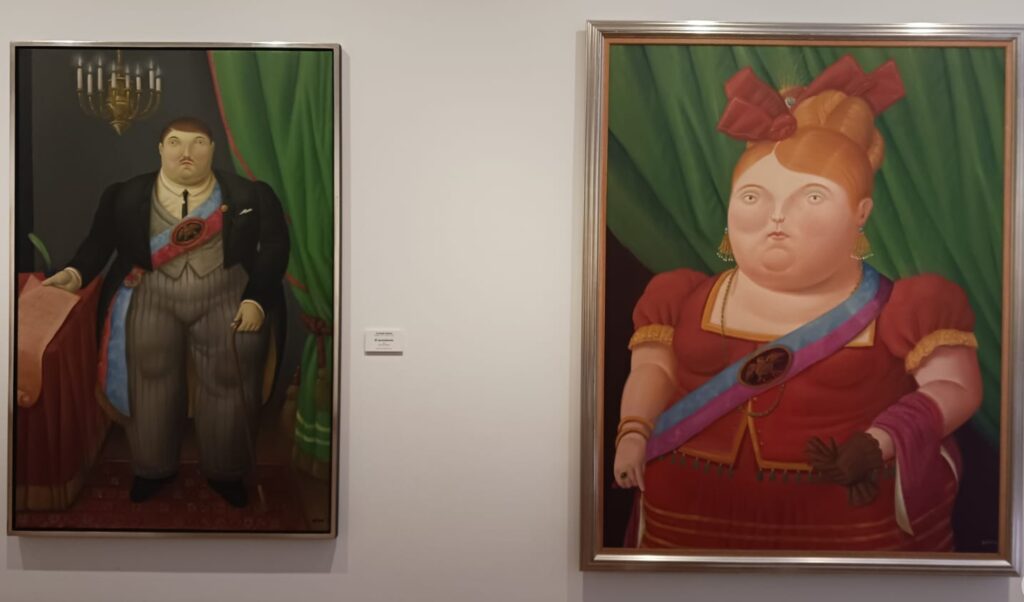
We started the day at the Botero Museum. Free of charge, the museum undoubtedly offers one of the best experiences in the city. Several paintings and drawings by the artist are on display, as well as a few sculptures.
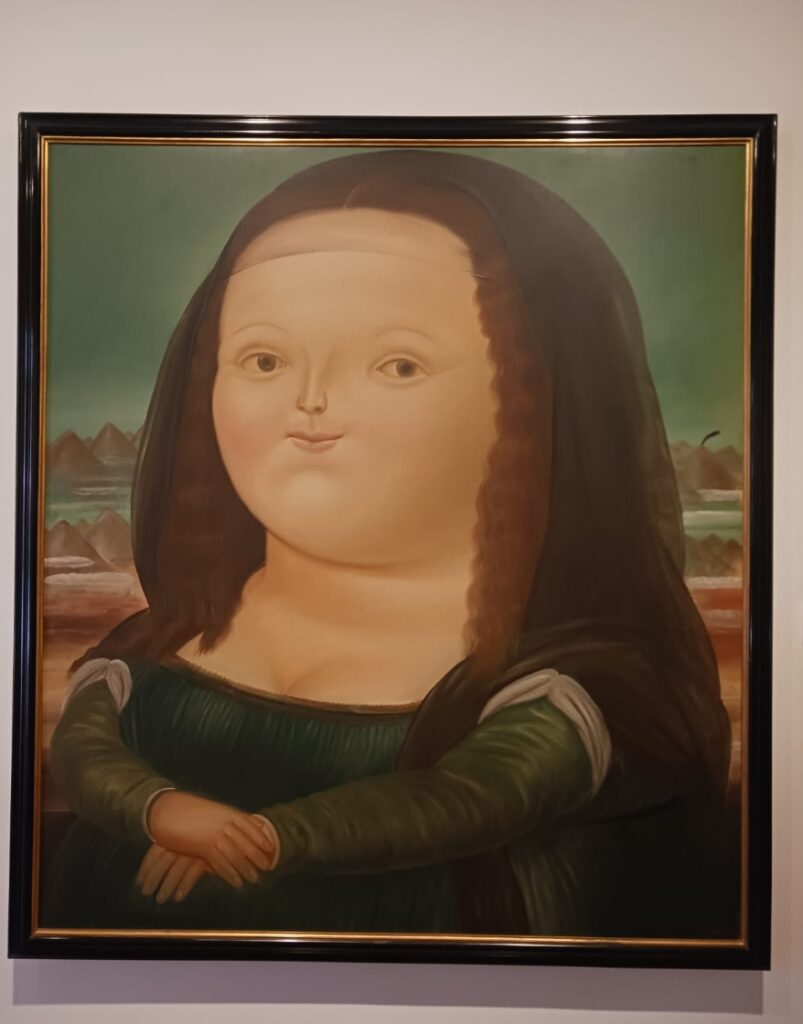
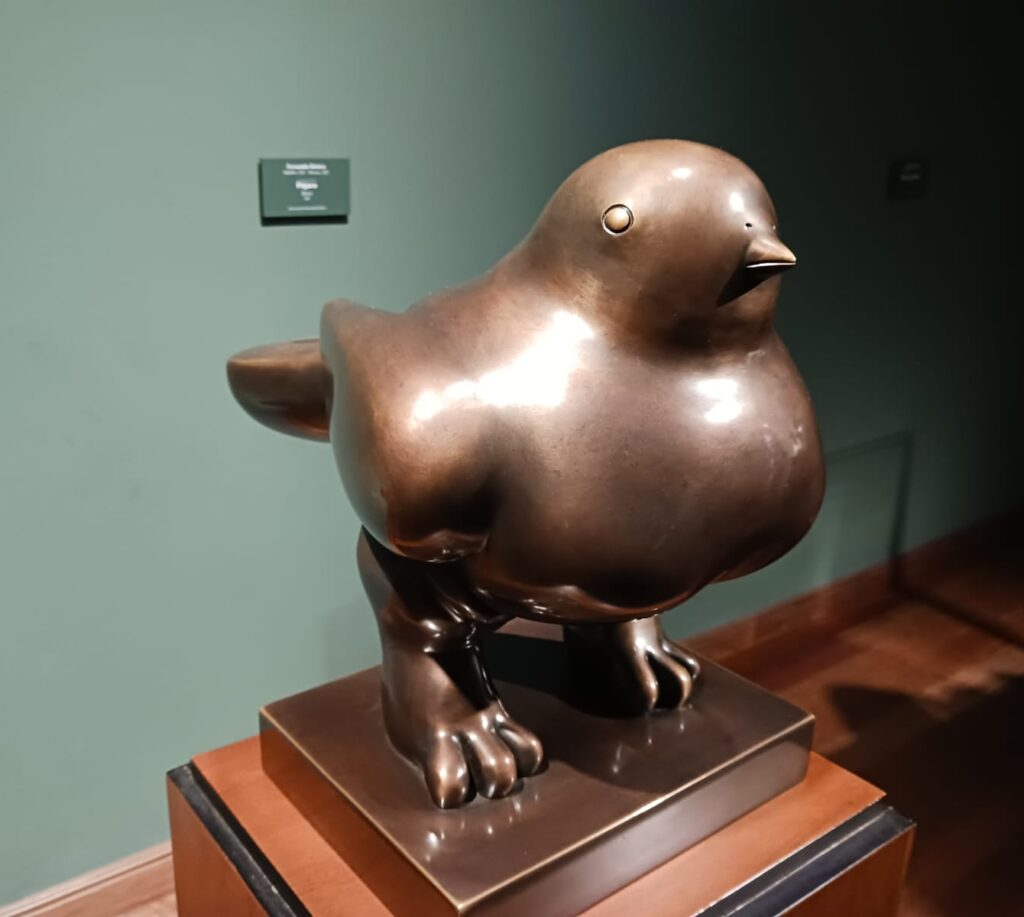
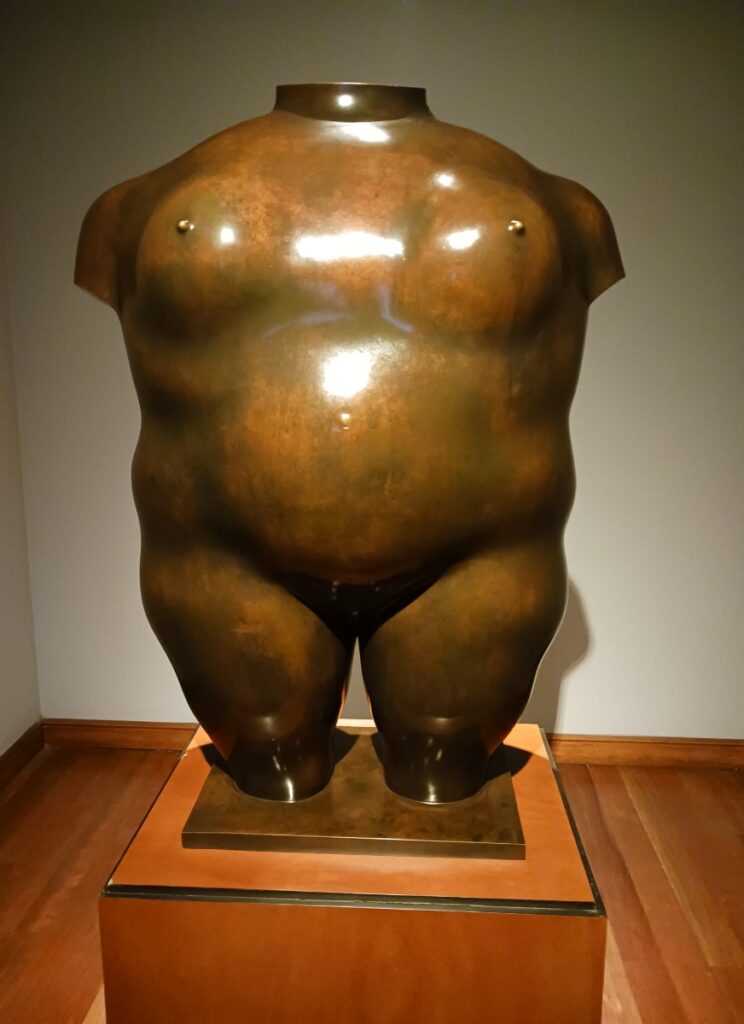




It is also possible to admire paintings from other artists that are part of Botero’s personal collection.
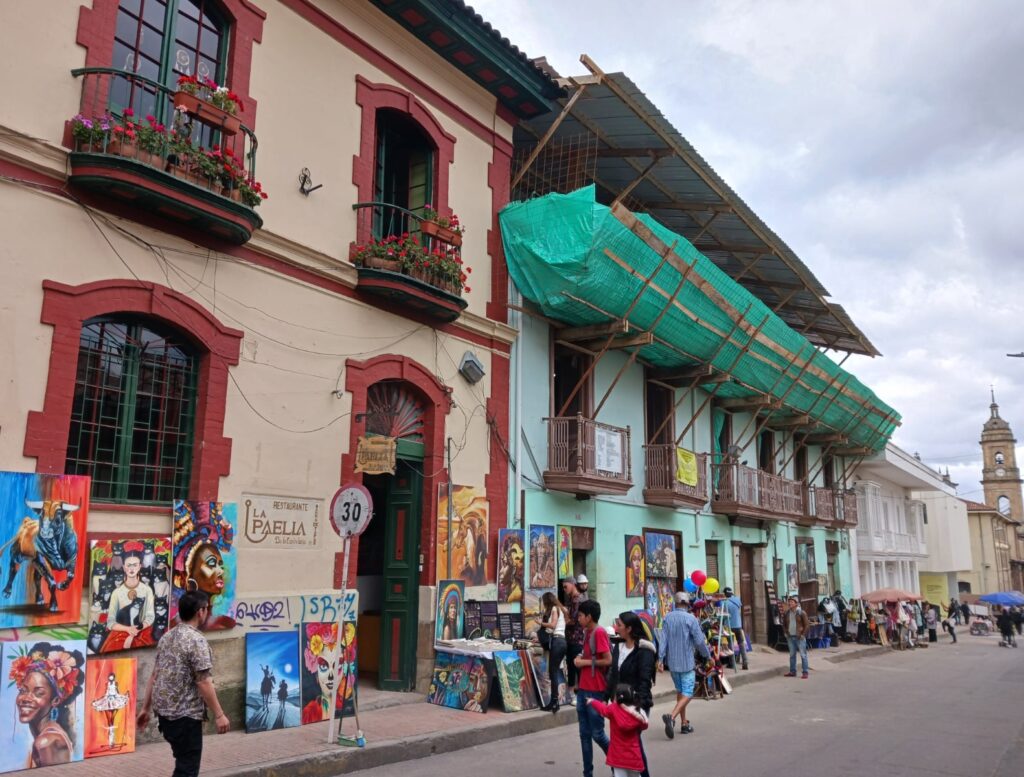
We then strolled through the streets of the La Candelaria neighborhood, the historic center. While some buildings are colorful, the majority are dull and a bit run-down. It’s a shame.
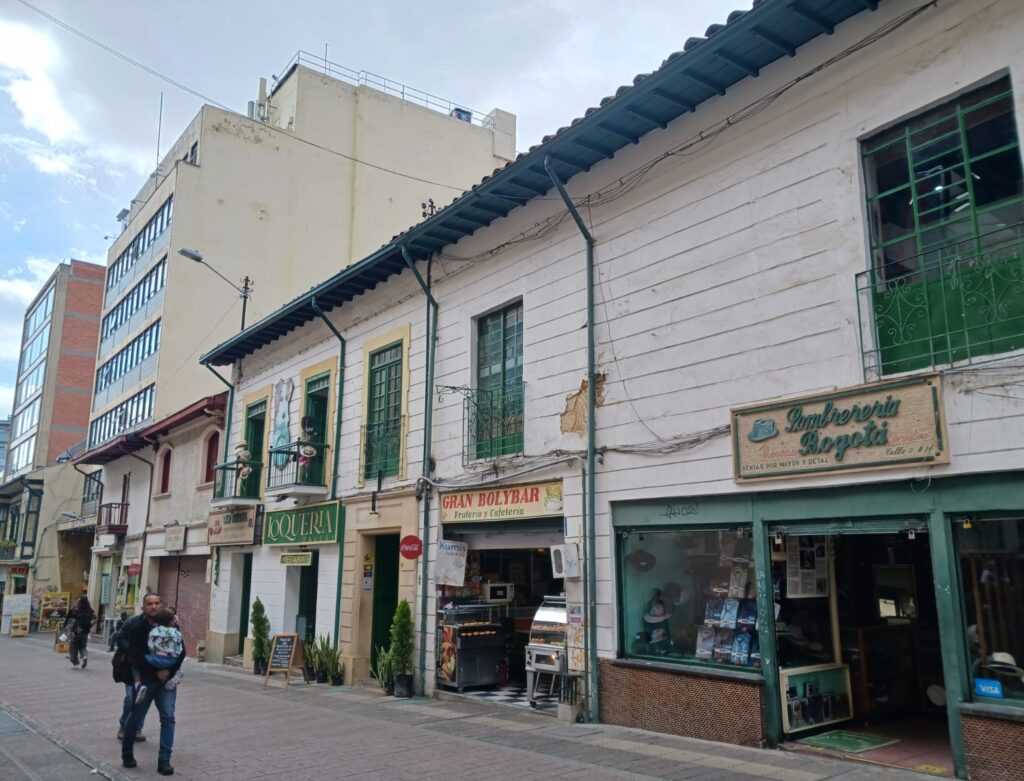
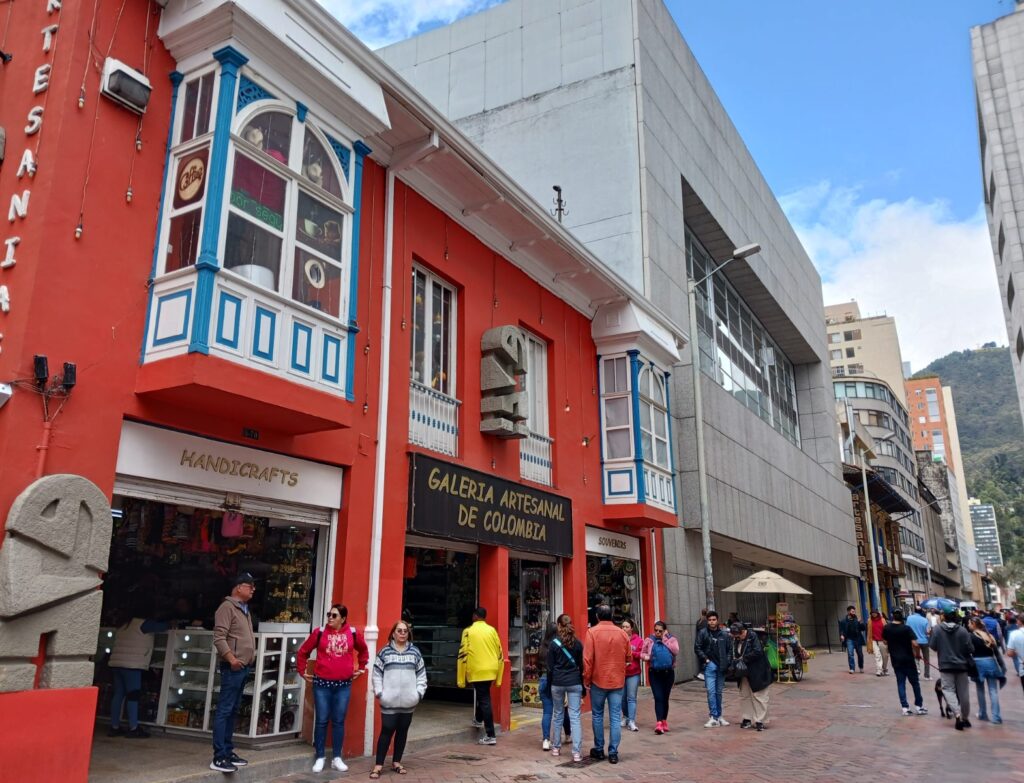
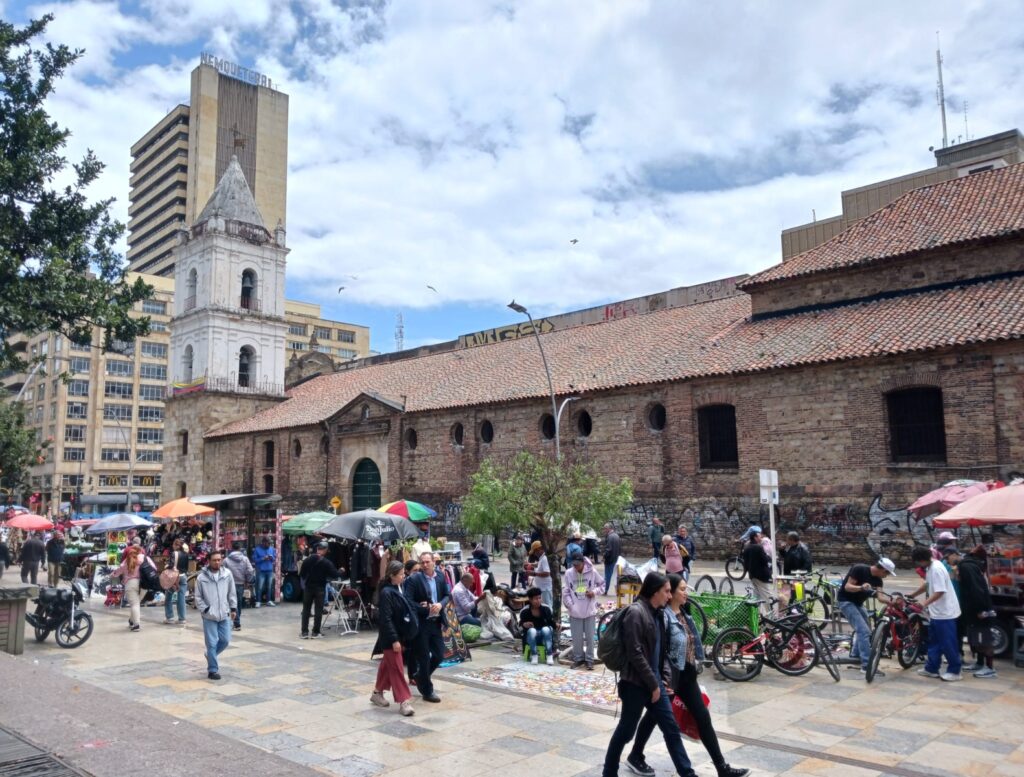
The walk wasn’t necessarily the most pleasant. A central pedestrian street, but filled with street vendors blasting their speakers to promote their products. The smells ranged from fresh fruit juice to urine, grilled chicken, and cannabis. And many people hanging around…
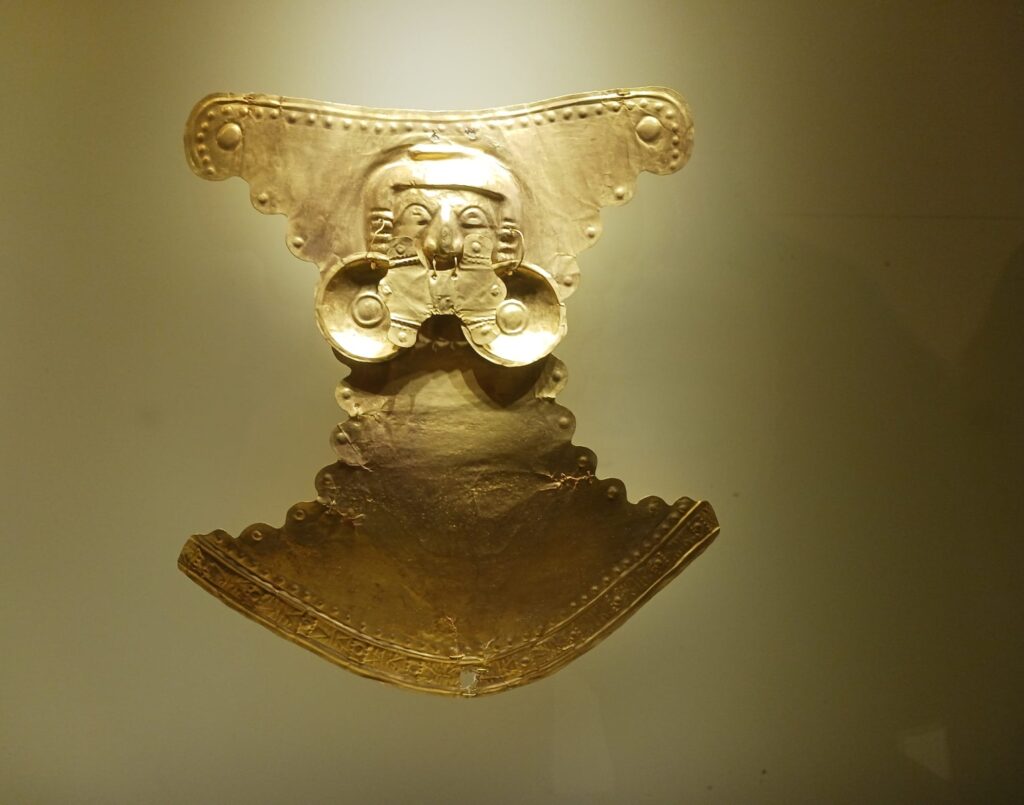
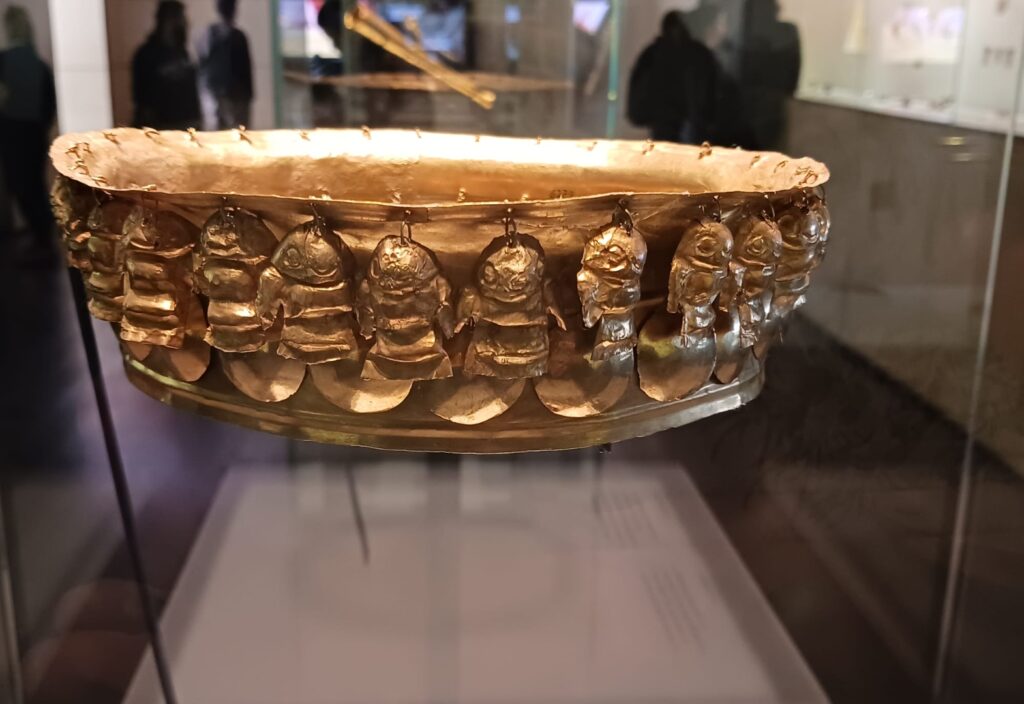
We don’t linger too long and head into the Gold Museum.
The museum, thanks to bilingual Spanish-English informational panels, teaches us more about the country’s gold mining and the use of the precious metal, especially in funerary rites.
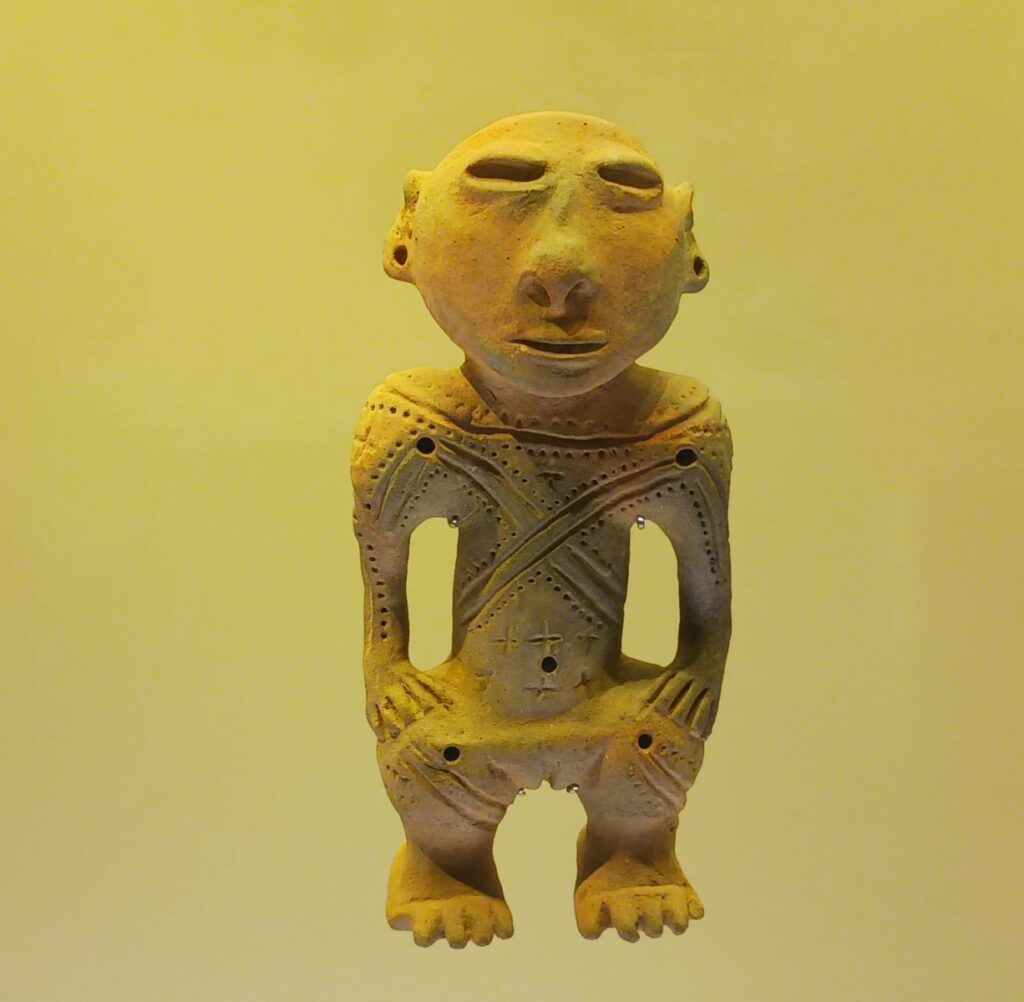
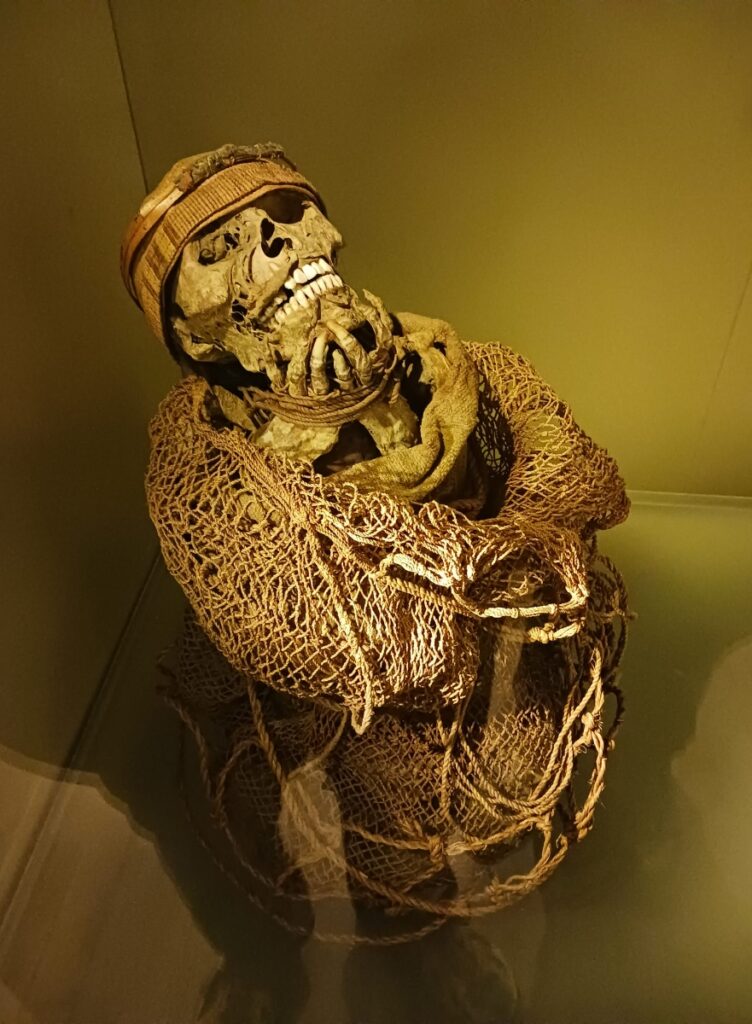
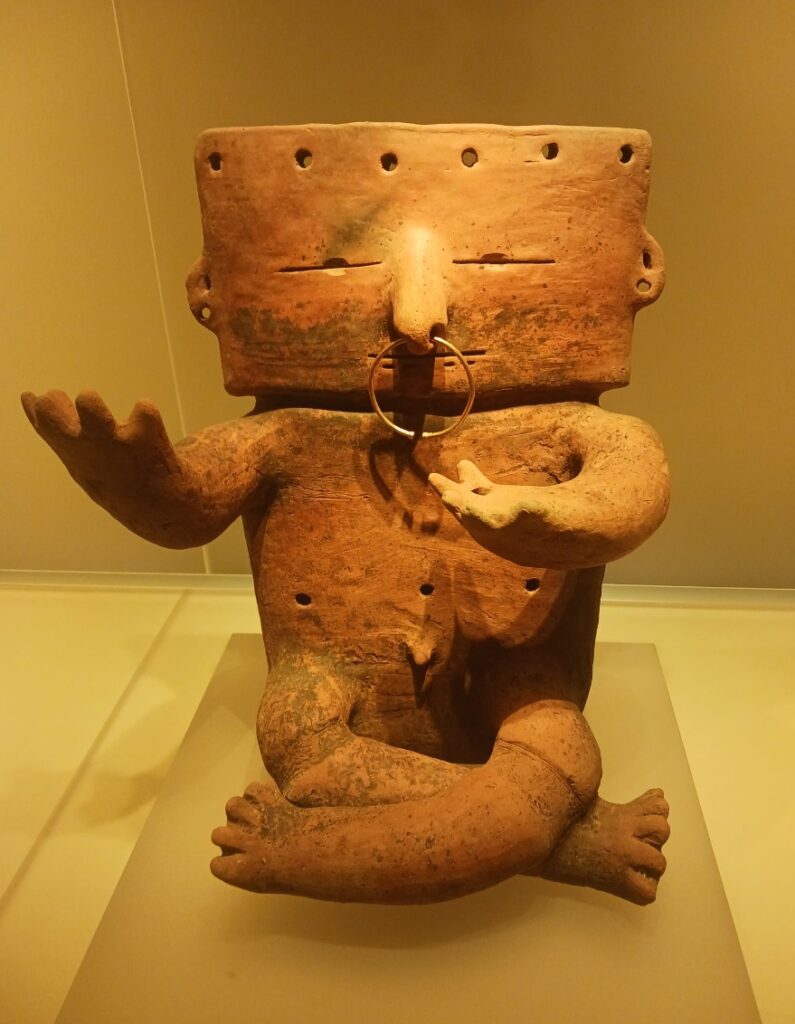
Several very beautiful pieces are on display. While the museum is interesting, everything tends to start looking the same after a while.
We are taking an Uber back to enjoy our last evening of the trip.
Is Colombie Worth Visiting?
Colombia seems to be a country full of potential. The images of the country that we saw on billboards at the airport show that the country is full of stunning landscapes. The Colombian music heard in the Uber rides has a very catchy rhythm that makes you want to move. The bright colors seen on some buildings and in souvenir shops bring a real joy of life. The scents of coffee occasionally remind you that the country has true treasures. However, it is unfortunate that it is plagued by corruption, drug trafficking, and violence. All of this made it so that we, as tourists, did not wish to spend more time discovering the country.
Will we return to Colombia? Hard to say. Not in the near future, in any case. We now want more comfort and safety for our upcoming trips. However, one thing is certain. If we return to Colombia, we will not stop in Bogotá. In 24 hours, we saw everything the city has to offer.
So here it is, the end of our layover in Bogotá and the end of our long journey around the world.
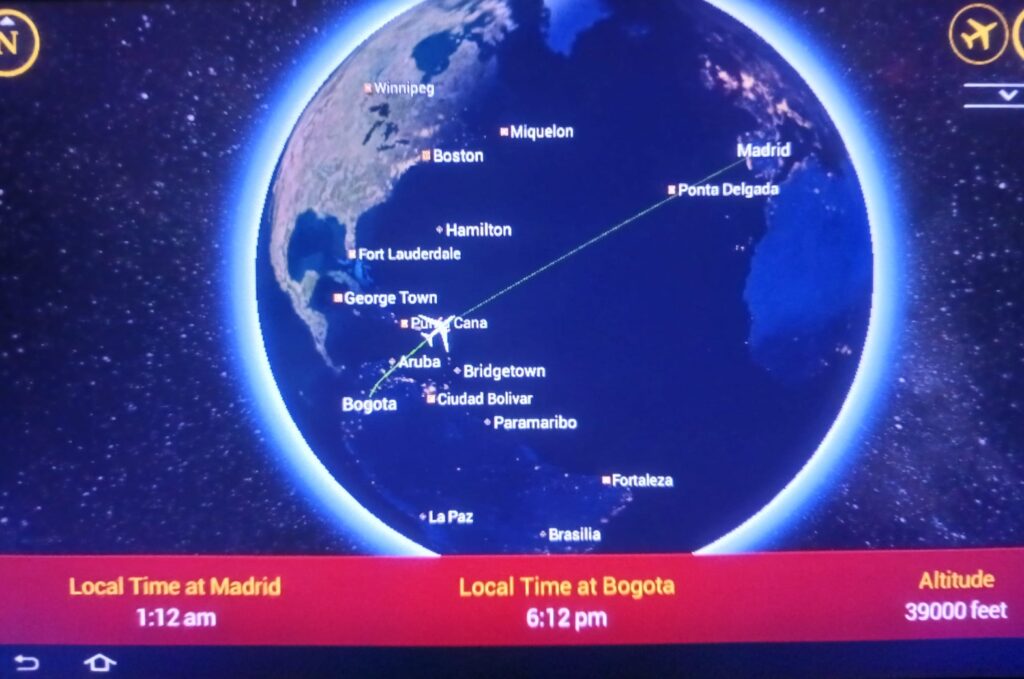
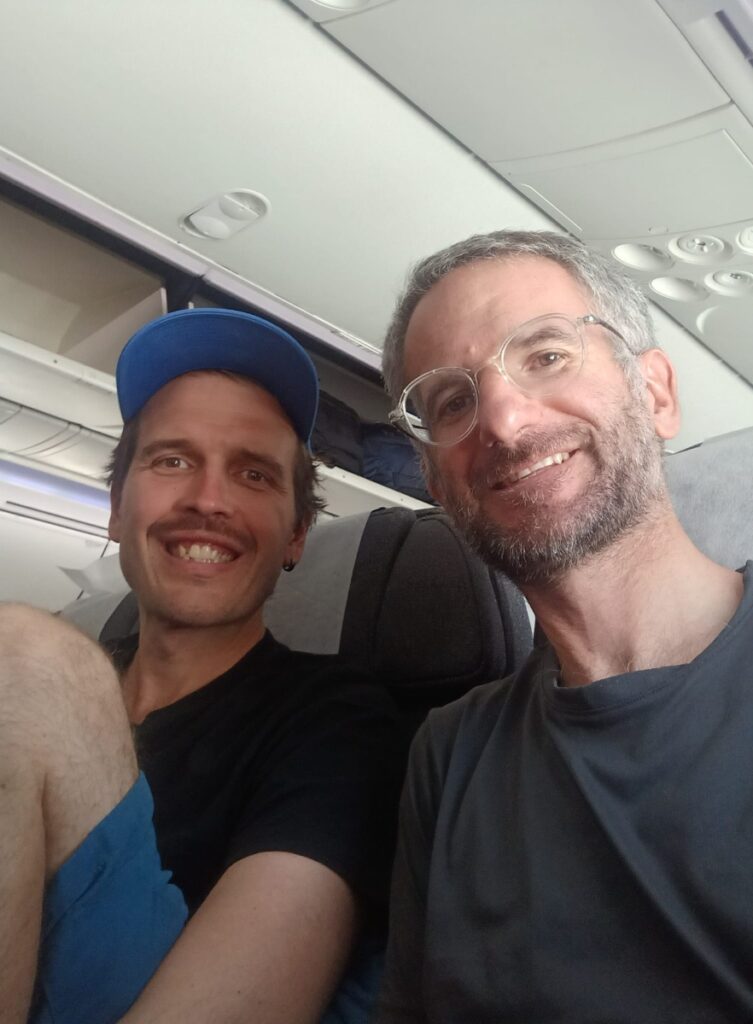

After a transatlantic flight, we return to Europe. After a layover in Madrid, here we are, back in Paris.
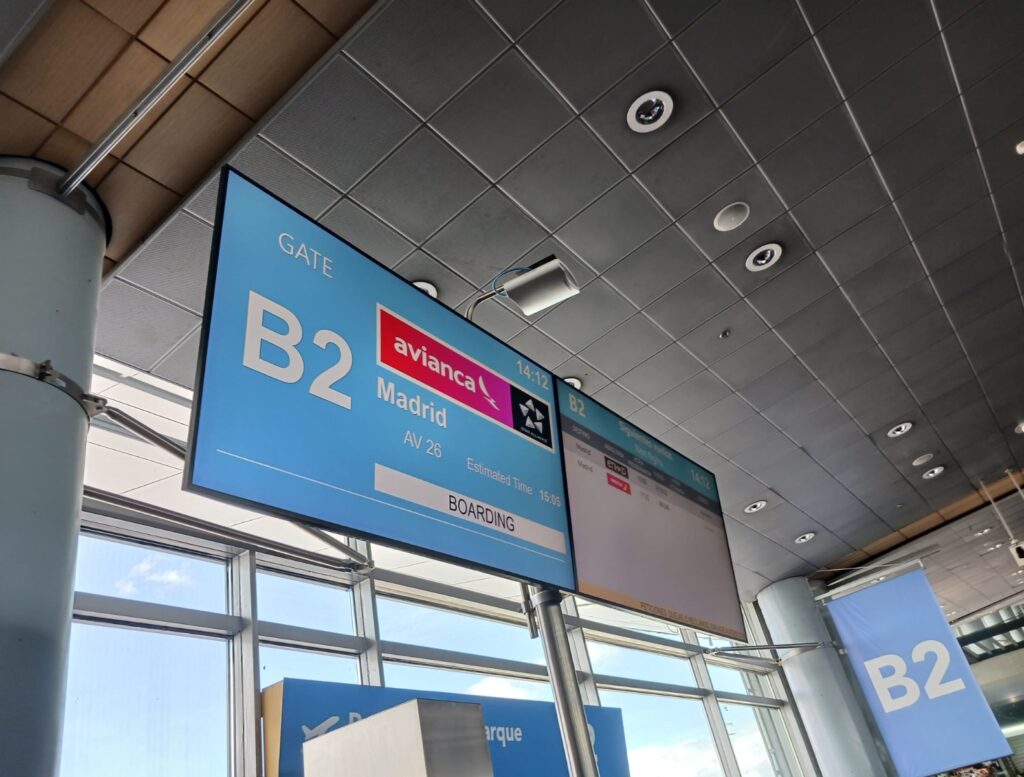
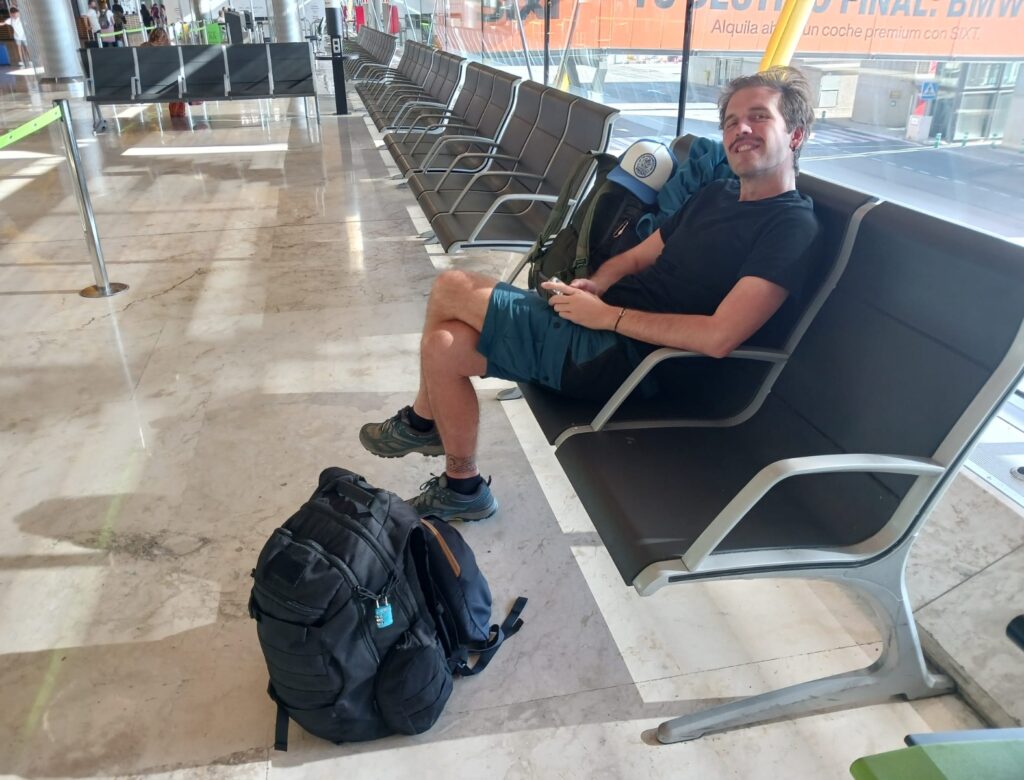
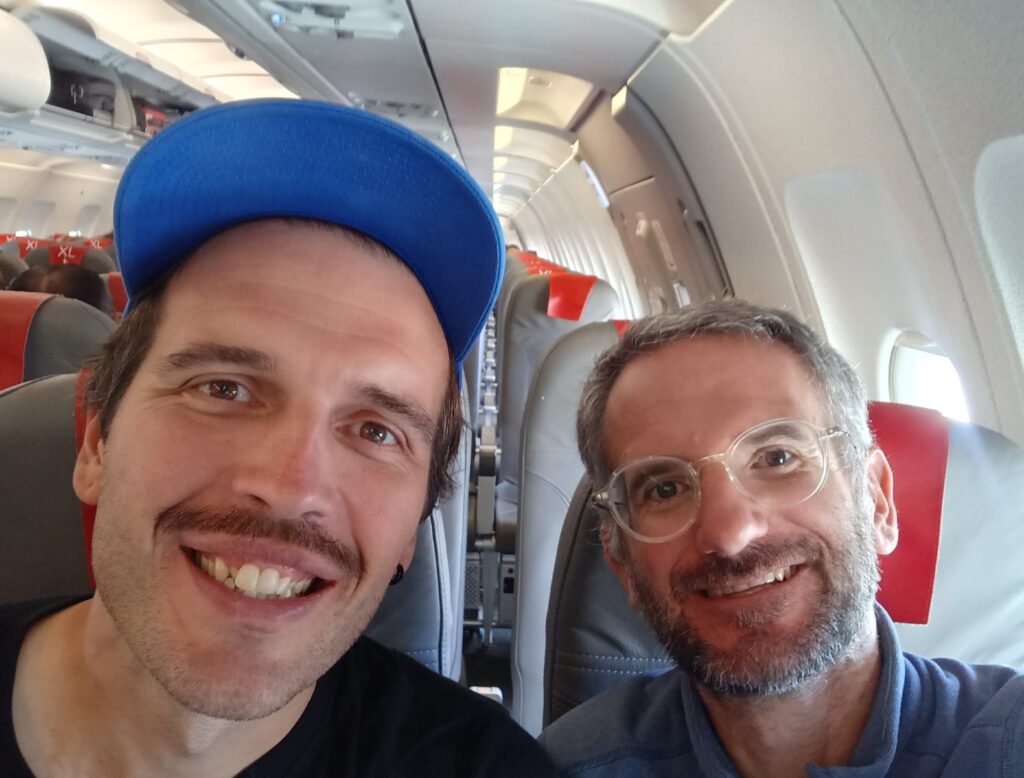
The City of Light, which we left eight months ago, has changed a bit: it now proudly displays the colors of the Olympic Games.
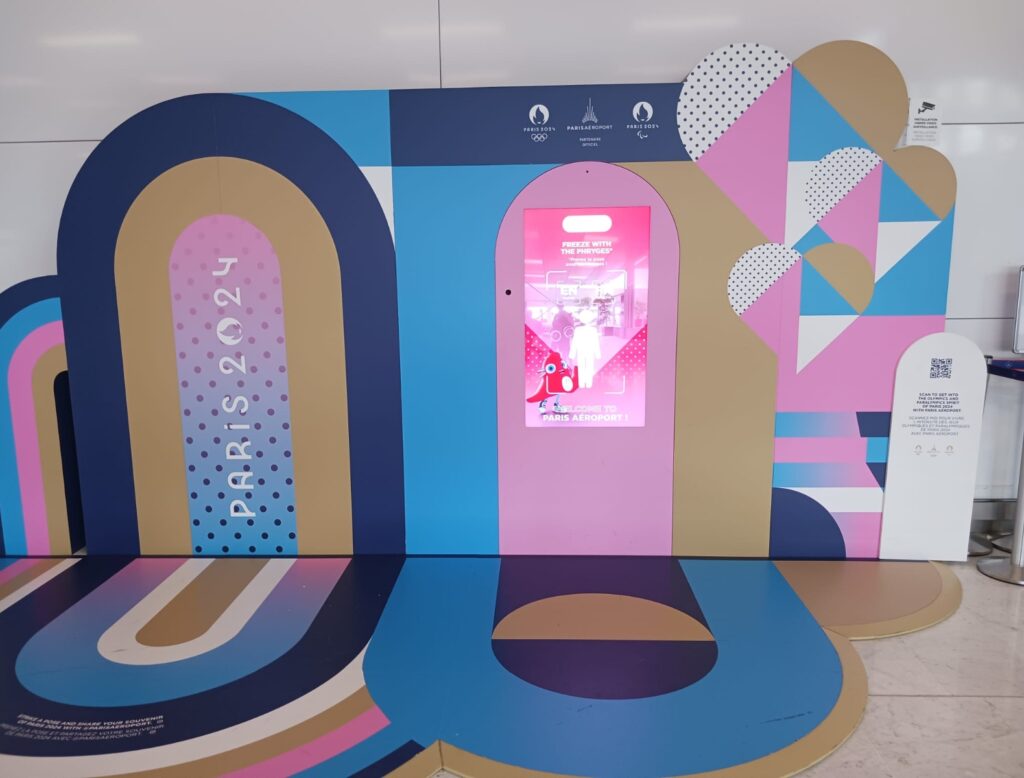
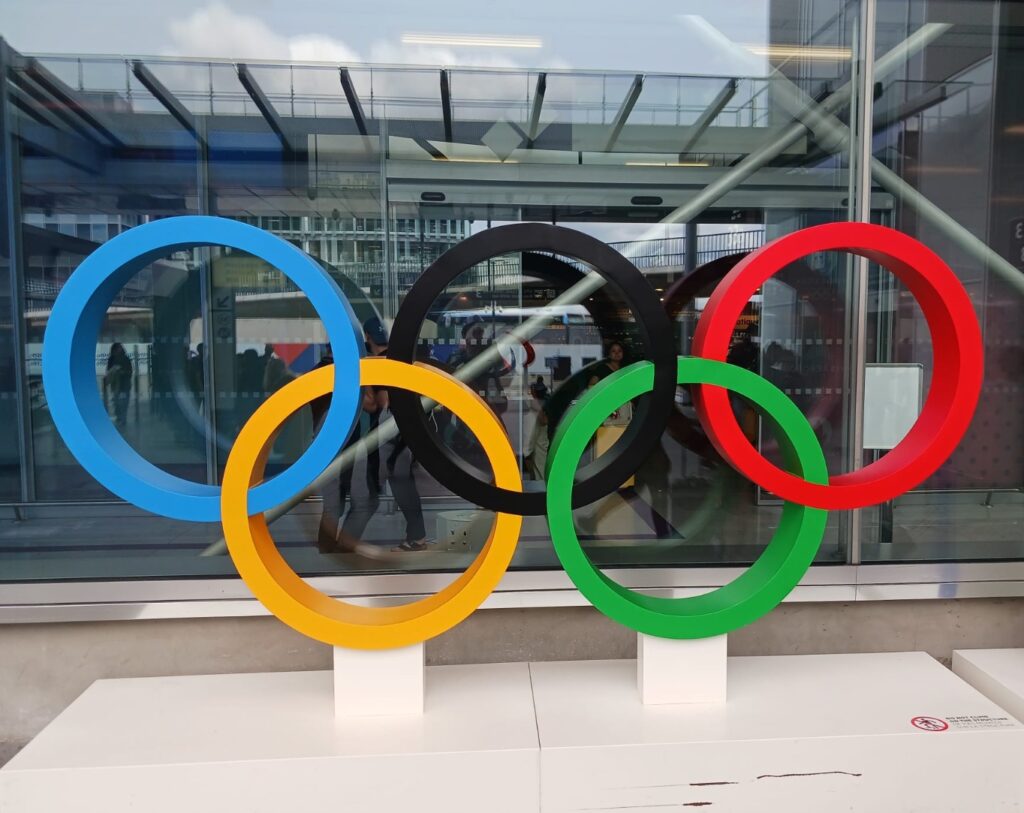
It feels good to be back home!