The Hairy giraffe… IN NEW ZEALAND
We decided to make a stop in Auckland on our way to South America for several reasons. First, given the considerable distance between Australia and Chile, we wanted to break up the journey to make it more comfortable. After leaving New Zealand, we’ll have only 11 hours of flight time left…
Next, New Zealand isn’t exactly close. Located more than 18,000 km from Paris, it’s not a destination you visit for just a week off. So, since we’re in the area, we might as well make the most of it.
Finally, we’ve grown fond of the comfort in Australia and want to enjoy it for a few more days. Having access to drinkable water, heating (let’s not forget it’s winter here), and supermarkets is priceless. And it’s a luxury we’re about to lose in South America. Once again, after six months of traveling, fatigue is setting in.
We made this stopover in mid-July, right in the middle of the Southern Hemisphere winter. While the sun is generally out, the wind is cool, and it can get cold in shaded areas. It’s also not the tourist season, which falls during the school holidays from December to February.
The cost of living also seems to be quite high here. Our groceries at the supermarket were a bit more expensive than in Australia, as were our restaurant meals. It’s also worth noting that entry fees for some sites, such as the Auckland Museum, are quite pricey.
On the other hand, the security and sanitary conditions are good, and no particular danger threatens travelers.
Two days in Auckland is more than enough to enjoy the city.
Nevertheless, this stopover has definitely made us want to spend several weeks exploring New Zealand.
SUMMARY OF OUR 2-DAY ITINERARY IN AUCKLAND
Auckland, the metropolis
We didn’t have the time (or the budget) to explore New Zealand, and the winter season wasn’t ideal either. That’s why we chose to stay in Auckland, the country’s most populated city. It’s also the best-connected city by air, making it easier for us to continue our journey to South America.

We arrived at Auckland International Airport in the late afternoon. For convenience, we opted for an Uber to take us to our hotel in Parnell, a neighborhood slightly outside the city center. Auckland is a very spread-out city—the urban area covers 605 km², whereas Paris is only 105 km². This means distances are much longer to travel. In Sydney, we were lucky to have only 8 km between the airport and the city center. Here, we had more than 20 km to cover, which took us about 45 minutes.
We quickly encountered a major issue: traffic congestion. The inefficiency of public transportation does nothing to reduce the number of vehicles on the road. Auckland doesn’t really have a metro system. There are trains, but they are few and don’t serve many areas. Ferries are, of course, available to reach the nearby islands. Otherwise, buses run throughout the city, but only a very small minority of people use them. Most residents prefer to drive. During our stay, we got around entirely on foot.


The suburb of Parnell, where we are staying, is considered by many to be the oldest in Auckland. It is a very upscale neighborhood, home to high-end boutiques and charming French-style cafés.


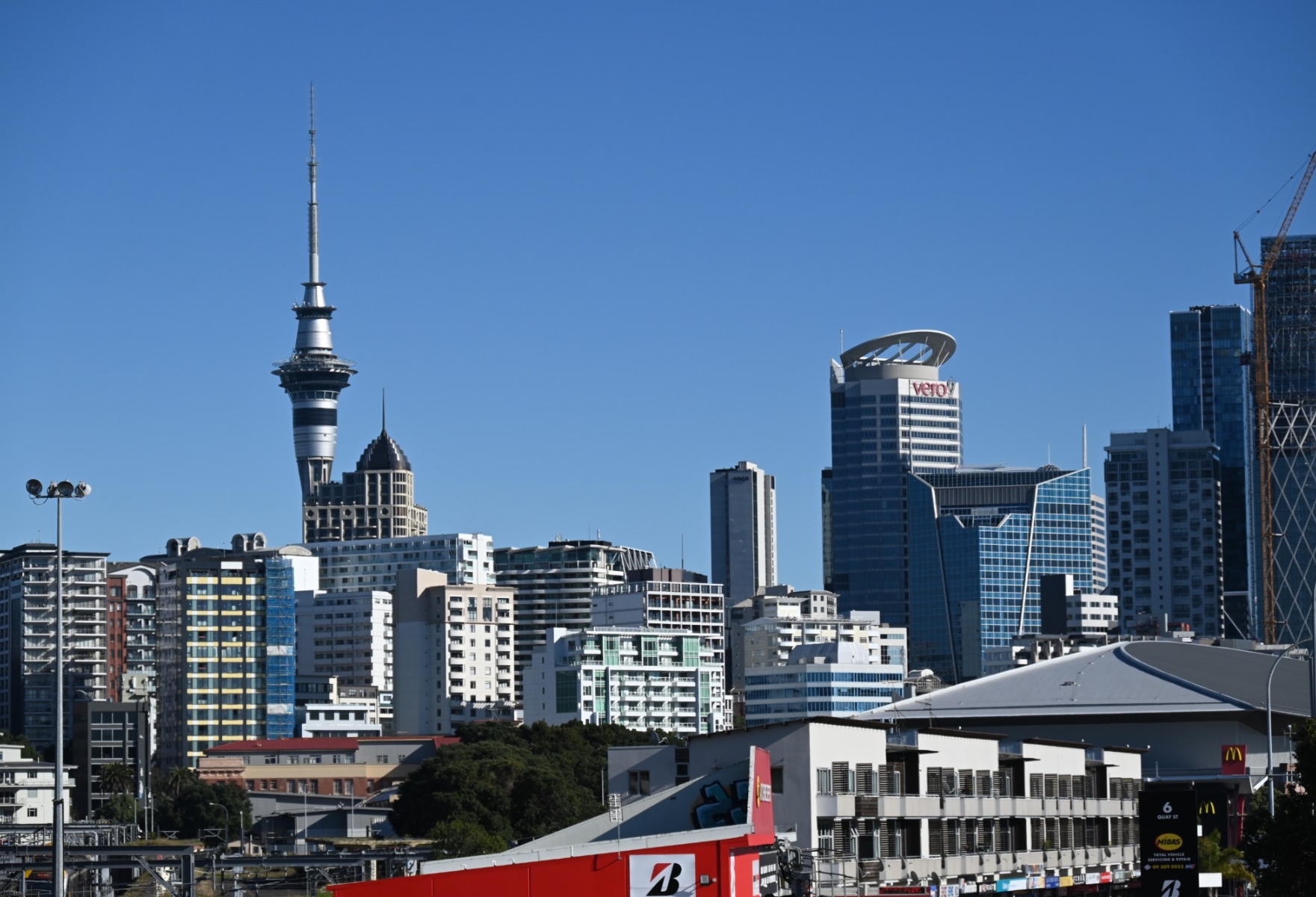
Some spots also offer a view of Auckland’s skyline. The houses here are large and luxurious. Auckland Domain, a heavily wooded park, is also located in this area, and by following the trails that run through it, you can reach the city center with a few detours. The walk is quite pleasant, though we do regret the lack of benches to fully enjoy the scenery.
The city of Auckland is beautiful. It is built on hilly terrain, with many ups and downs that add depth to the landscape. Apart from the Central Business District (CBD) with its tall towers, most neighborhoods consist of low-rise buildings, featuring single-family homes and shops that are at most one or two stories high.


Just like in Sydney, several buildings date back to the early 20th century. The city has successfully incorporated them into the urban landscape with elegance.


Auckland is also a city undergoing rapid expansion. During our visit, numerous cranes and buildings under construction were visible.
Maori culture
Another very pleasant aspect of the city is the omnipresence of Maori culture.


New Zealand is part of the Polynesian Triangle, along with Easter Island and Hawaii. This triangle represents the area explored by the Polynesians and includes many territories where they settled. French Polynesia is roughly at the center of this triangle.

Although they share the same origins, there are differences between the Maori and other Polynesians (from Tahiti, for example). Even though we are far from being experts in Polynesian culture, we still noticed a few. First, the language is different. No, we don’t speak Tahitian, but after spending over a month there, we ended up learning some words. The famous “Ia Orana” (Hello) that we used to say 40 times a day in Polynesia became “Kia Ora” here. “Vahiné” (woman) became “Wahine,” and “Va’a” (canoe) became “Waka”…
We also noticed differences in art. Tikis are an integral part of Polynesian culture. In French Polynesia, they were generally more rounded in shape, and their faces had softer features. In New Zealand, they have squarer, rougher forms. Their features are also more warrior-like. Their faces are usually tattooed with vertical lines and have more aggressive expressions. Their eyes are also highlighted using mother-of-pearl. Tattoos are another difference we observed. In Polynesia, people were mainly tattooed on their limbs, back, and chest.

In New Zealand, facial tattoos seem common (even among women). A Māori presenter, Oriini Kaipara, proudly wears her tattoo on television. These tattoos also appeared more warrior-like compared to those we saw in Polynesia. The animal motifs (stingray, turtle, etc.) often found in Polynesian tattoos seem to have been replaced by lines and skull designs. The warrior spirit of this Pacific people is easily felt.
Auckland Museum
A visit to the Auckland Museum also allowed us to dive deeper into Māori culture. Despite its excessive entry fee for foreigners (who are the only ones charged), the museum is really nice.

The museum is divided into three sections: the history of Auckland, Māori and Pacific cultures, and New Zealand’s involvement in major conflicts (World Wars, Boer War). We found it difficult to understand Auckland’s development, as the lack of clear information made the exhibit hard to follow for newcomers. We also skimmed through the war exhibition relatively quickly. However, we spent nearly two hours in the Māori culture section. Numerous explanatory panels provided valuable insights into this fascinating culture. The exhibited artifacts were simply stunning—mostly wooden and intricately carved, they are true treasures.


Just for this exhibition alone, the museum is worth a visit.
New Zealand is the territory with the largest number of Polynesians. Nearly 13% of the New Zealand population is of Maori origin. This significant number has allowed the Maori to have their language recognized as an official language of the country. Thus, Maori is present alongside English in all government publications. It is also found on public buildings like universities and in public spaces. Maori television channels are also available.
New Zealand wildlife

New Zealand is also about wildlife. Although less impressive than in Australia, it still offers some atypical and endemic animals. The kiwi is undoubtedly the most famous. This iconic bird of the country is related to the ostrich and is no larger than a chicken. Nocturnal, it is very difficult to observe in the wild (even more so in downtown Auckland!).
The only ones we saw were stuffed at the museum. However, you can find representations of them all over the city.
Billboards, murals, buses—every place is suitable for featuring a kiwi.


Souvenir shops, in fact, sell almost nothing else. It’s up to you to choose what you want your kiwi on: t-shirt, hat, wallet, oven mitt, keychain… There’s no shortage of options.


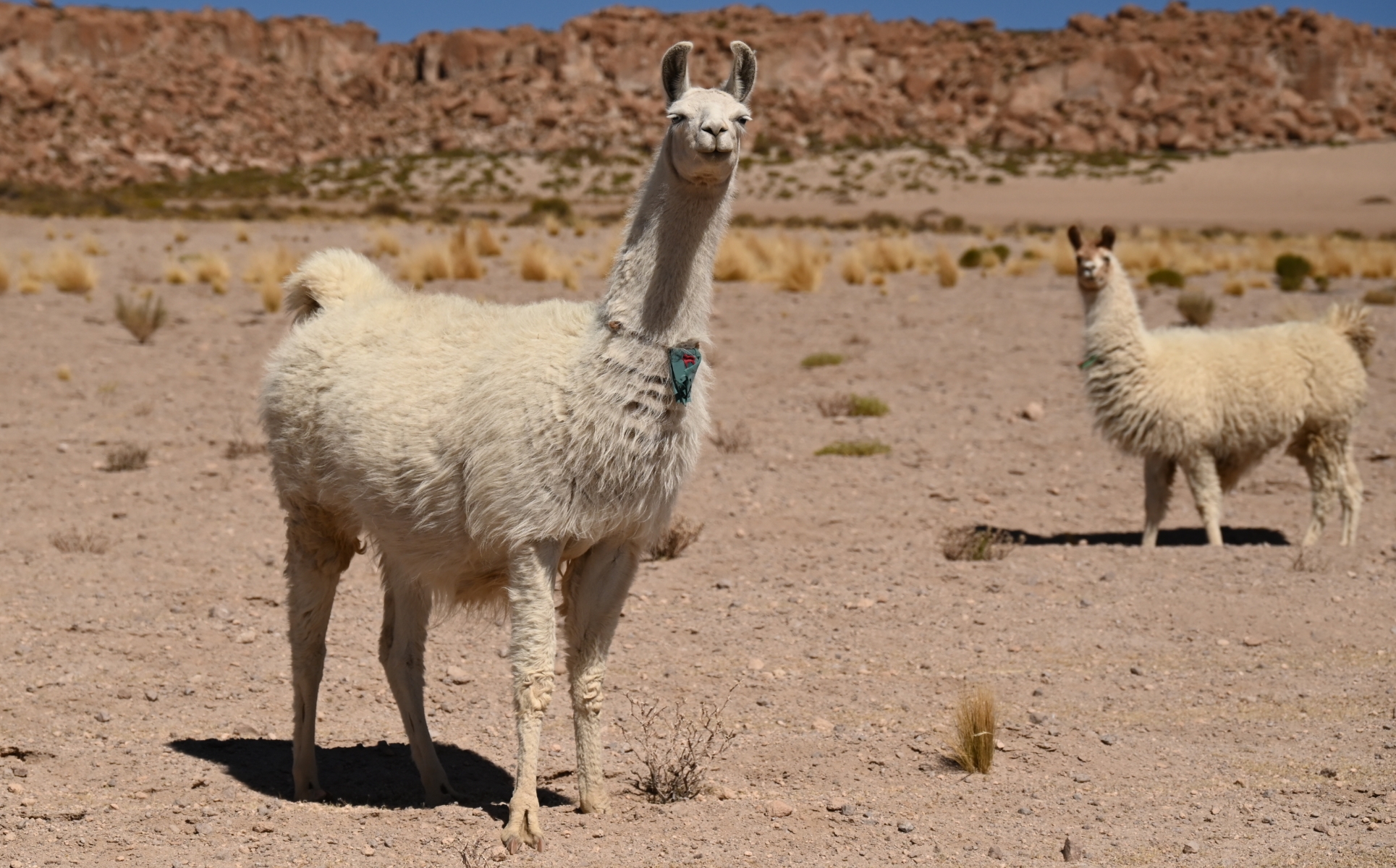
Another iconic animal of New Zealand is, without a doubt, the sheep. In a country where there were once 50 sheep per person, you’d expect them to be everywhere in the green pastures. In the heart of the metropolis, sheep are harder to find. Here are the two specimens we managed to spot:


Costs
The budget is also an important topic to discuss. Although it’s possible to buy really nice and decent-quality souvenirs for less than ten New Zealand dollars (about 5 euros), everything else is really expensive. In Auckland, grocery prices are about 1.5 times higher than in France.
Apart from the museum we already mentioned, activities are also very expensive. A movie ticket costs more than double what it does in France. To skate on a rink set up as part of an event on a downtown street, you have to pay over 15 euros. Salaries are supposed to be lower in New Zealand than in Australia. Yet, life in Auckland seemed more expensive to us than in Sydney.

To conclude, the biggest disappointment of our stay remains the lack of things to see and do. Although the city is very pretty, it offers few tourist activities. Life seems to be concentrated in the CBD. The surrounding neighborhoods are very residential. Once the museum has been visited and Queen Street (the main commercial street) has been explored up and down at least ten times, you start running out of things to do. Although it’s the largest city in the country, we believe it’s better not to linger too long. 24 hours are enough to see the main points of interest while enjoying the country’s wine.
On our next stop in New Zealand (because, yes, we will return), we will rent a car to explore the rest of the country. The mountains, forests, and coastline must be stunning. We will clearly spend less time in urban areas to make the most of what nature has to offer.

So, this marks the end of our stopover in Auckland. Before boarding a long trans-Pacific flight, we take advantage of the points accumulated since the start of our trip to access the airport VIP lounge. A first for us, but certainly not the last. Hot and cold buffet, desserts, drinks, and alcohol all you can enjoy in a quieter space and more comfortable seats than those in the boarding area. We love it!