THE HAIRY GIRAFFE… IN CHILE
After two weeks in Chile and Easter Island, it’s time to reflect. How did we experience this journey? What were our joys, disappointments, questions, doubts, and discoveries? This is not merely an assessment of a country but rather of a trip—how we perceived it individually and subjectively.
 We are François and Benjamin, Canadian and French giraffe hairstylists and travel enthusiasts. On this blog, discover our travels, tips, moods, and everything you need to become a giraffe hairstylist and embark on travelling the world. An honest blog with photos guaranteed 100% unfiltered and untouched. |
Benjamin’s Travel Reflections
We spent two weeks in Chile, divided across three different regions: Santiago, Easter Island, and the Atacama Desert. Since the country stretches 4,300 km from north to south, we’ll have to return to explore the south during a more suitable season. And while I have no doubt that the south boasts stunning landscapes, the north is just as impressive. In fact, it was precisely for the Atacama Desert that I absolutely wanted to include Chile in our 8-month journey around the world.

Even though I had (and still have) a strong preference for Asia (which explains the imbalance in our itinerary—six months in Asia versus just one month in Latin America), Chile pleasantly surprised me. First, with its hygiene standards, which are generally very good, and also with the country’s level of development. It’s a far cry from neighboring Bolivia, for example. I was also pleasantly surprised by the safety—overall, we never felt particularly insecure, unlike in Brazil. Of course, coming from Auckland, we lost a bit of comfort and had to be more mindful of our belongings in the streets. But nothing unmanageable.
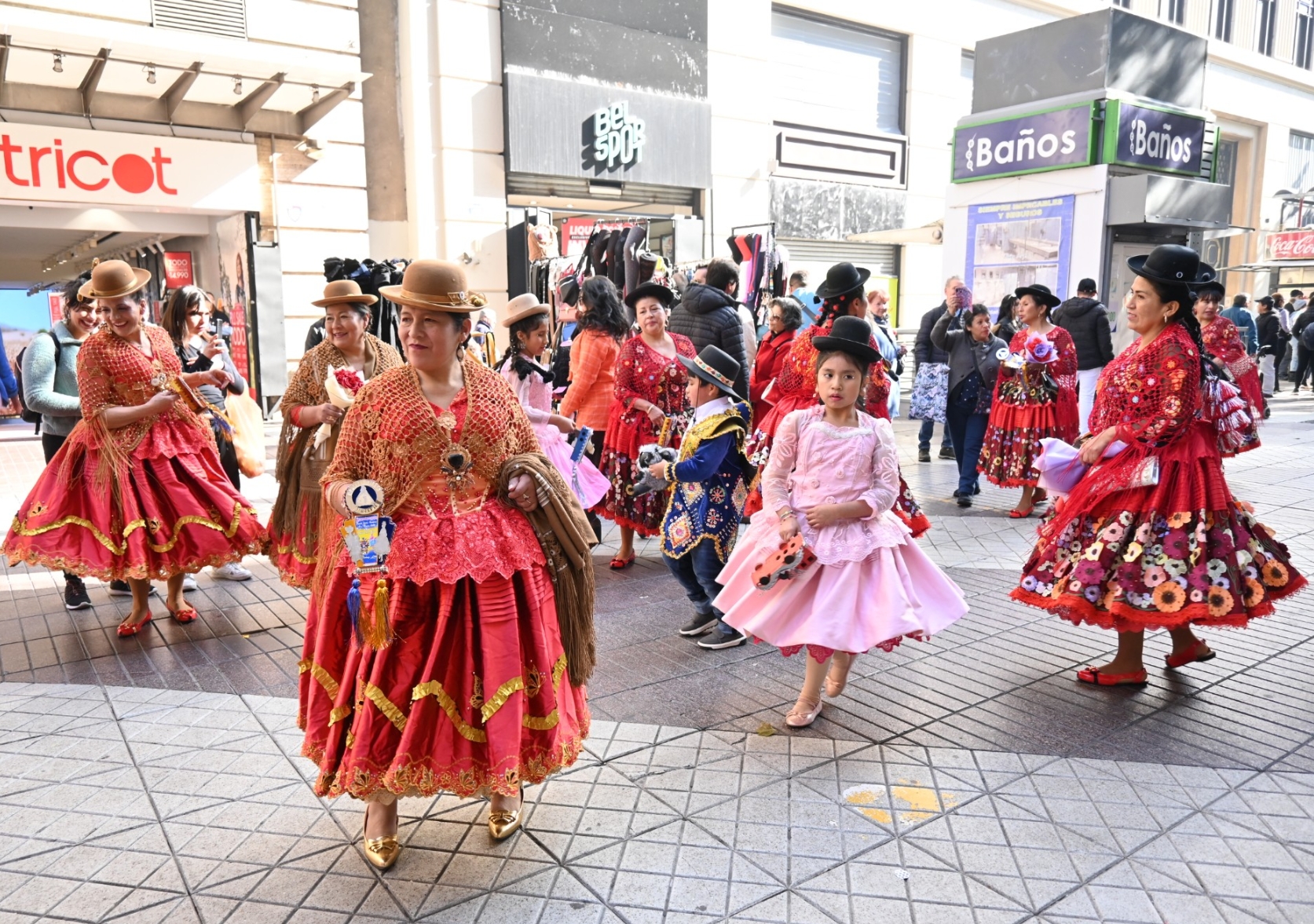
After an 11-hour flight from Auckland, Santiago can only be a disappointment. The Chilean capital does not have a great reputation. And indeed, while it is set in a stunning location at the foot of snow-capped Andean peaks, its architecture does not live up to the surroundings. The city center is not unpleasant, but the constant pollution blankets the city in a hazy fog, which, although less extreme, reminded us of our time in Delhi. What a shame not to have built a beautiful city in such a breathtaking setting! In general, tourists don’t stay long in Santiago, and they are probably right.

For us, Santiago was a convenient stopover to transition from one place to another, between Auckland, Easter Island, and Atacama.
Because the true treasures of Chile lie elsewhere. First, Easter Island. When we mapped out our itinerary, Easter Island was an obvious choice. Granted, the island is nearly 4,000 km from Santiago, and the five-hour flight is often turbulent, but we knew we would probably never have another chance to visit (from Paris, the journey becomes extremely long and expensive).
Easter Island is a dream destination for many. And, as with all these mythical places, I was afraid I might be a little disappointed. While the moai are not as omnipresent as one might think (no, they are not lined up every 300 meters along the coast, and the vast majority are broken or toppled), I truly enjoyed the island. Since COVID, it’s no longer possible to visit the sites without a guide. While this limits independence, it enhances understanding. You learn a great deal about the history of these stone giants, the myths, the stages of their creation, and more. This makes the island even more fascinating. In the end, Easter Island will remain one of those archaeological sites that left a lasting impression on me, like Abydos in Egypt, the Temples of the Sun and Moon in Trujillo, Peru, or Petra in Jordan. These are places that retain an air of mystery, speak of ancient beliefs, and tell us something about humanity’s connection to spirituality and death.

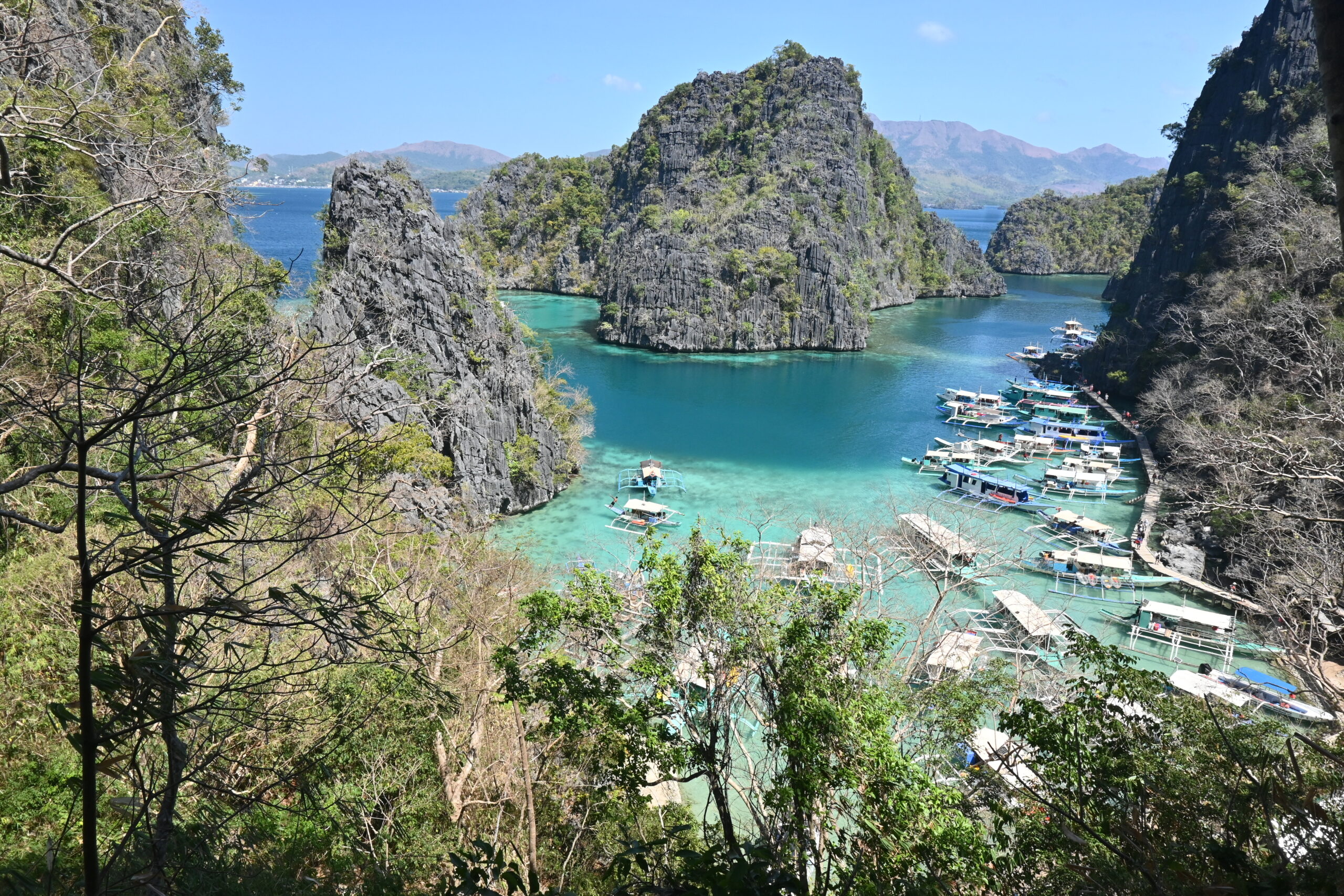
In a completely different setting, northern Chile offers breathtaking landscapes. Around San Pedro de Atacama, we discovered scenery that sometimes felt lunar, sometimes a bit Martian, but always worthy of the biggest Hollywood productions. Often alone, or nearly so, in the midst of vast, endless landscapes, we were constantly in awe. These places were so different from anything we had seen before on our journey around the world.
And yet, while Chile offers endless opportunities for stunning photography, the country doesn’t seem to know how to welcome its tourists properly. Yes, the landscapes of the north are incredible. Yes, the moai live up to all expectations. But all of this comes at a cost. Since it’s no longer possible to visit the sites on Easter Island independently, you’ll have to break the bank to pay for the tours that take you there. And they are very expensive (on top of the entrance fees to the sites, of course). Similarly, every lagoon, every remotely beautiful site in the Atacama Desert comes with an excessively high price tag.
And while the tours on Easter Island have undeniable advantages, having to pay for every lagoon in the north feels a bit excessive. Forget the idea of renting a car and freely hopping from one site to another to enjoy the region’s beauty at your own pace. The site management is poor—sometimes you have to book online the day before, other times you can only pay on-site, either exclusively in cash or only by card… And given the high prices, you’ll quickly decide against revisiting that beautiful lagoon you liked two days ago.
Once again, I firmly believe that tourism is about experiences, not just the pictures we bring back or post on Instagram. And Chile has an unfortunate tendency to somewhat ruin the travel experience by turning visitors into walking wallets and offering no bundled options (a single ticket for all the Atacama sites would greatly simplify tourists’ lives and enhance their experience). Since Chile is already quite expensive, it would be better to make the processes easier.

But tourism doesn’t seem to be the main concern of Chilean decision-makers. While the lagoons and sites are exceptional, it’s best not to be too critical of the roads leading there. I’m not just talking about their often poor condition (which, to be fair, benefits tour agencies that try every trick to discourage independent travelers by claiming the roads are impassable without their overpriced tours). No, I’m referring to the landscapes around San Pedro de Atacama, which serve as a reminder that beyond their aesthetic appeal, these places also—perhaps primarily—hold economic value. Many lands are being exploited, sometimes at the cost of closing some of the most beautiful sites to tourism in order to extract lithium (as was the case with the Salar de Tara). This diminishes the beauty of the landscapes and strips away the magic often seen on social media.
Of course, after eight months of travel and, more broadly, having visited around fifty countries, we’ve been to plenty of places where tourists are seen as little more than walking wallets. And Chile is far from the worst offender. But the unpleasant aftertaste of paying excessive amounts for every site—no matter how stunning—is unfortunately amplified by the rather lukewarm welcome from the Chileans themselves.
And this was during a relatively quiet period, with several hotels nearly empty. Yet that didn’t stop hotel staff, restaurant workers, or shopkeepers from rarely cracking a smile. After six months in Asia—home to some of the world’s friendliest populations—and a month in Australia, the contrast was quite jarring!
And don’t expect much help if you don’t speak Spanish. Most Chileans assume you must speak the language, and no one makes an effort to use the readily available translation tools on every phone to assist you (unlike Koreans, Chinese, or Japanese, who almost always do).

And that’s a real shame because, in terms of landscapes and history, Chile and its remote Easter Island are undeniably worth the trip. And chances are, we’ll return one day to explore the south and its massive glaciers—though something tells me that trip won’t come cheap!
Check out François’ Travel Reflections:
Find all our other articles on Chile: