THE HAIRY GIRAFFE… IN BOLIVIA
After two weeks in Bolivia, it’s time to reflect. How did we experience this journey? What were our joys, disappointments, questions, doubts, and discoveries? This is not merely an assessment of a country but rather of a trip—how we perceived it individually and subjectively.
 We are François and Benjamin, Canadian and French giraffe hairstylists and travel enthusiasts. On this blog, discover our travels, tips, moods, and everything you need to become a giraffe hairstylist and embark on travelling the world. An honest blog with photos guaranteed 100% unfiltered and untouched. |
François’ Travel Reflections
I admit it—it was my idea to make Bolivia our fourteenth and truly final destination. While I’m not a huge fan of Latin America, I still wanted to go. I had heard about Bolivia’s stunning landscapes, from salt deserts to snow-capped mountains. I also wanted to see Lake Titicaca, though I’m not entirely sure why. Was it the name? The fact that it’s the highest navigable lake in the world?
When we traveled to Peru nearly ten years ago, we never went further south than Arequipa, so we missed the lake back then. And since I knew we’d never take a trip specifically to visit Bolivia, it made sense to go while we were right next door in Chile.
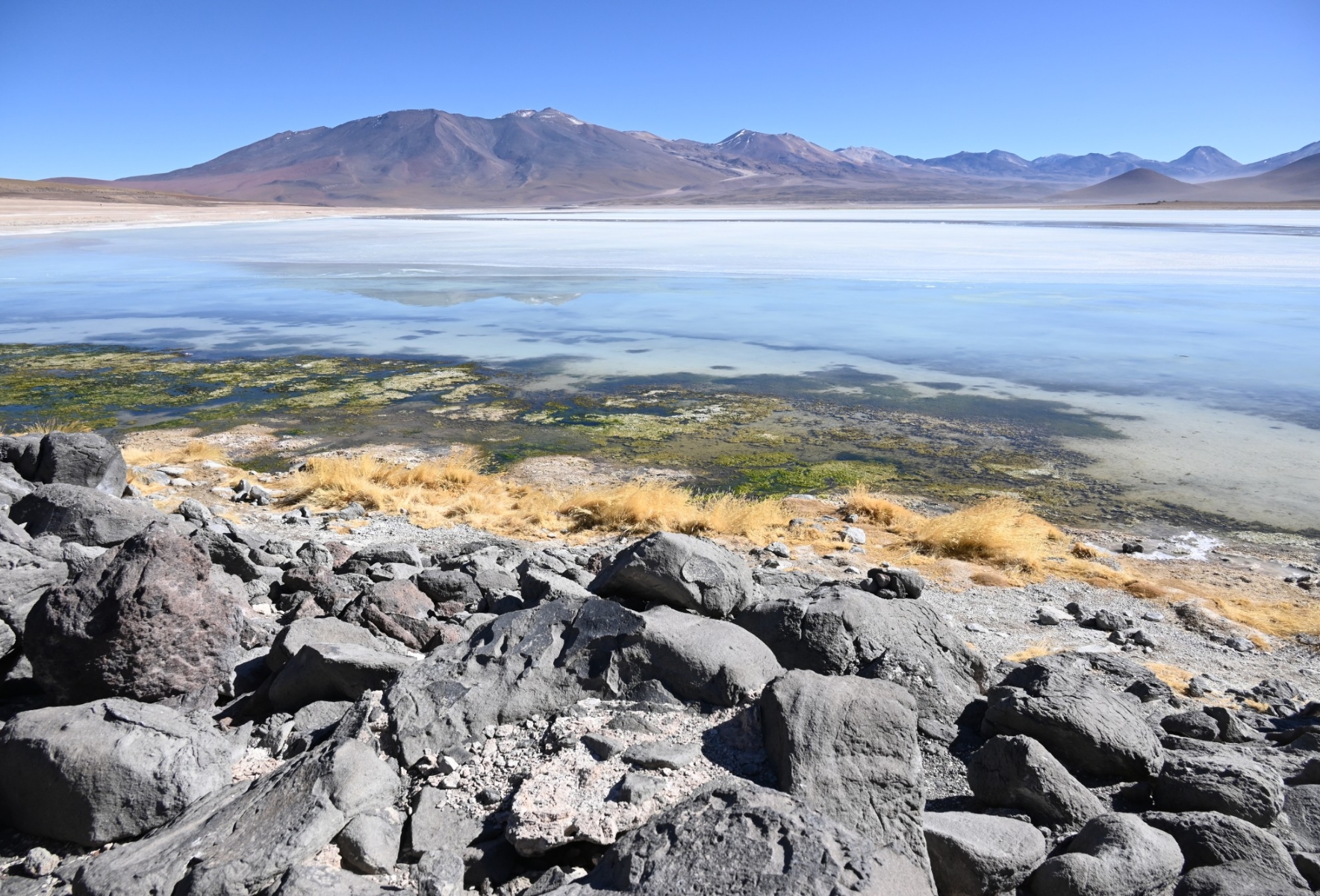
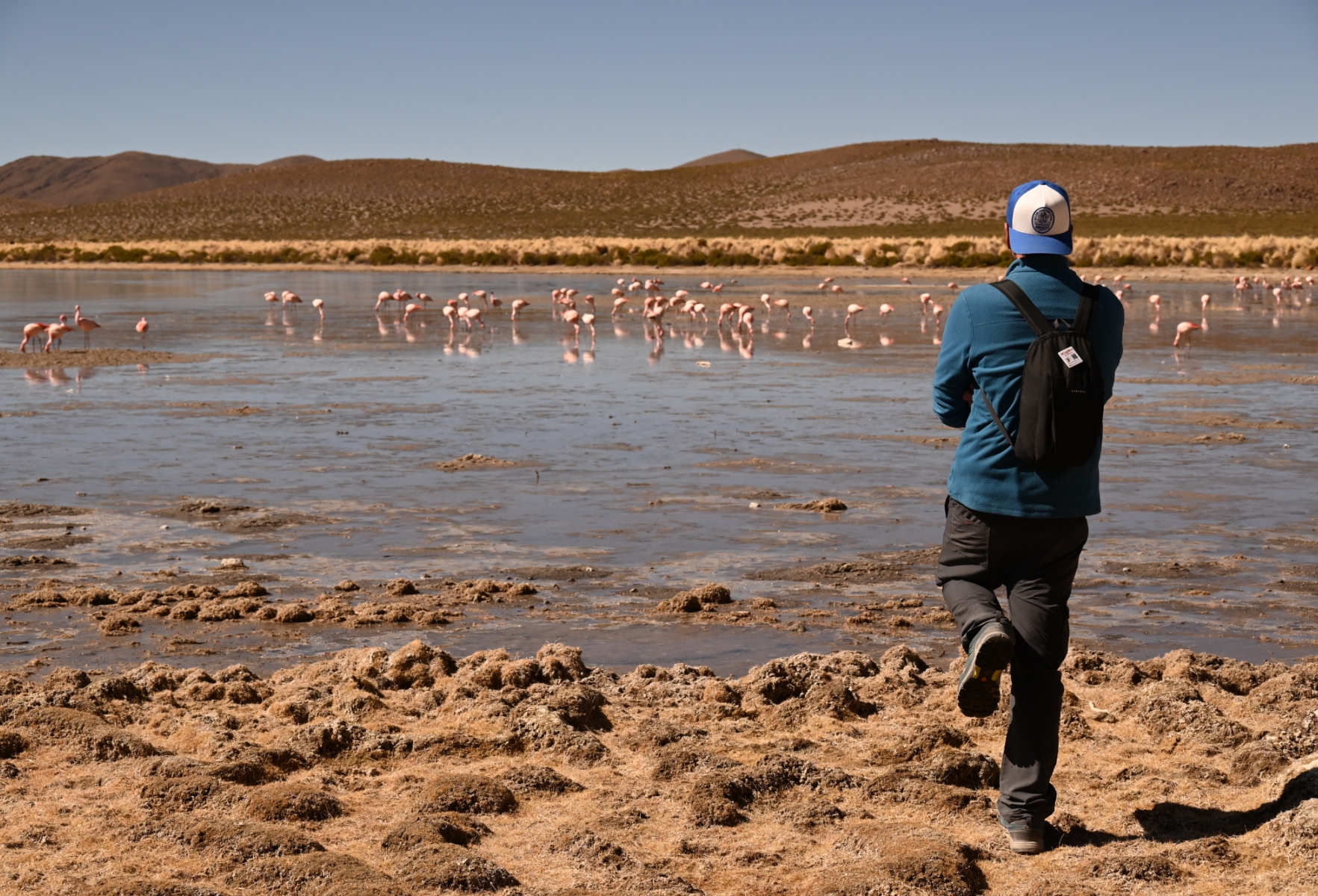
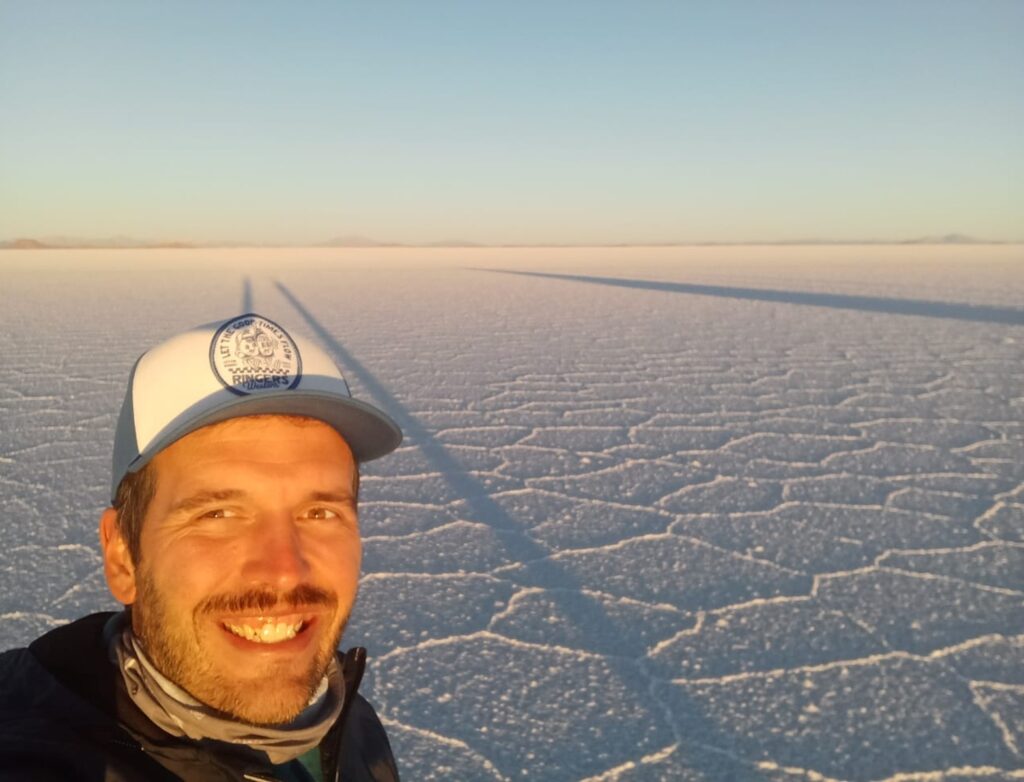
Our arrival in Bolivia was smooth (aside from a lack of organization at the Bolivian customs). We began our exploration with breathtaking landscapes. The Sud Lípez region and the Uyuni Salt Flats are among the most stunning scenery we’ve ever seen across all our travels. Wild lagoons, magnificent animals, snow-capped mountains, and endless salt flats—it’s hard not to be enchanted by it all.
The charm unfortunately quickly faded at the end of our tour.
Already, on our first night in Uyuni, I threw up my life. Probably a victim of food poisoning, I was as sick as a dog. In fact, I’ve rarely been this ill. It’s even more frustrating because both of us had managed to avoid this kind of setback since the start of our journey. Not the best way to start my relationship with Bolivia.
Then, in Bolivia, well, there’s not much to see. Once we finished with the South Lípez, we really (a lot) struggled to find something to do. The cities of Uyuni and Potosi have no particular interest. The center of Potosi is cute, but it’s not worth the detour or the bus ride.
La Paz is a complete mess. Noise, pollution, and absolutely nothing to do. I had heard about the witch market. In the end, huge disappointment. It’s just 2-3 shops facing each other selling weird stuff (with llama fetuses at the forefront), but nothing more.
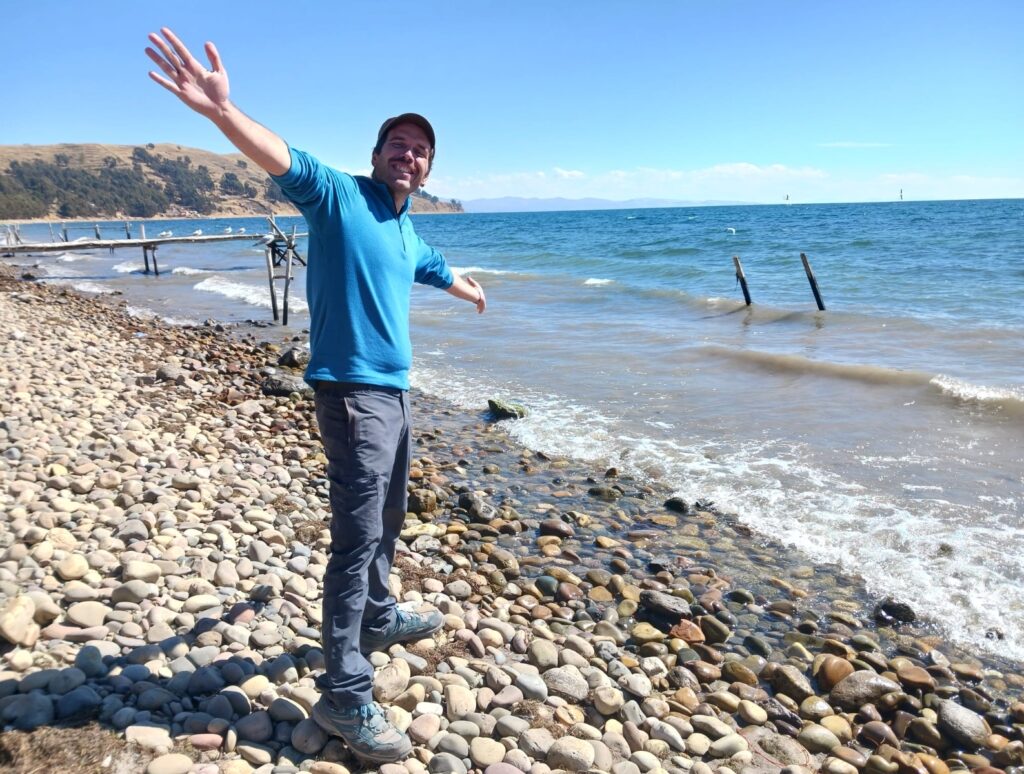
And what about Lake Titicaca? It’s just a lake, nothing more. There’s nothing mythical or exceptional about it. The town of Copacabana is depressing, and the beach could easily be a set for The Walking Dead.
In reality, only the city of Sucre holds any interest (at least, its downtown area). It’s modern, clean, and beautifully painted white. It’s where we saw the most bars, restaurants, and cafés. There’s even a French restaurant (which serves dishes at very French prices). The cost of living in Sucre is clearly not suited for the average Bolivian. Everything there is fairly expensive. We even met several foreigners who had come to spend several weeks there. Given all of this, Sucre is probably the least Bolivian city in Bolivia. I’ll remember the influencers who claim to have done Bolivia but in the end, spent most of their stay in Sucre, easily.
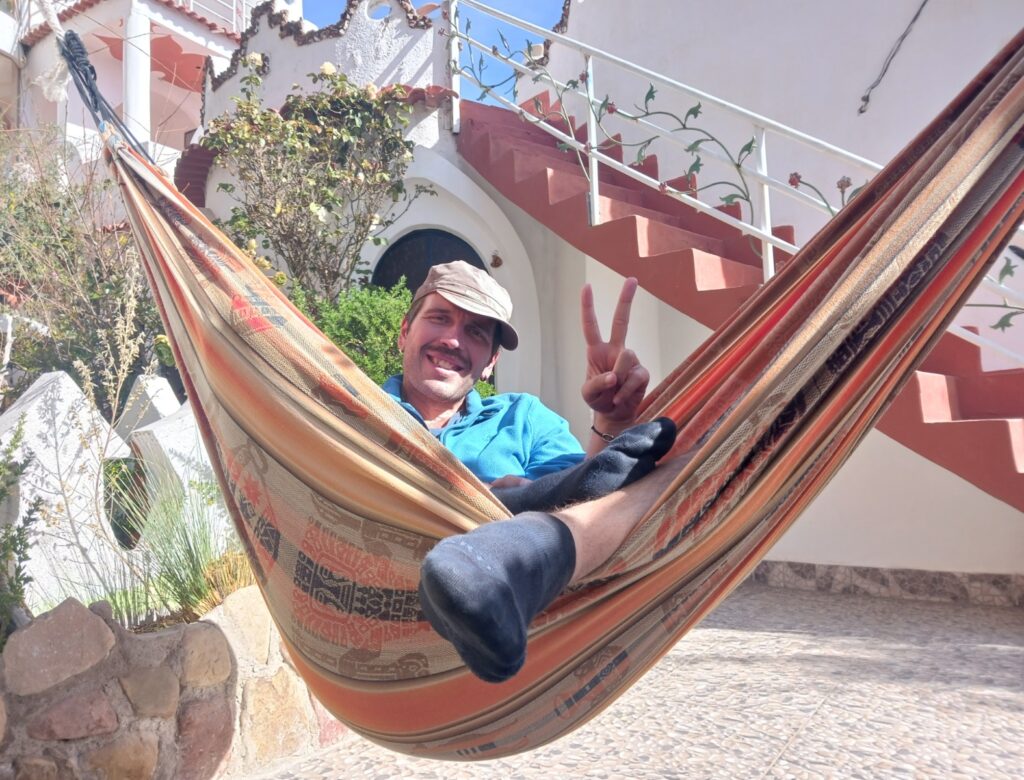
Moreover, the vast majority of Bolivians are not warm. The number of smiles we received in two weeks could be counted on one hand. Almost all the hotels greeted us in the same way: barely a “hello,” hand over the passport, here’s the room, and… that’s it. There’s no effort to engage in conversation. No one asks if we have any questions or special requests. Sometimes, they even completely disappear and leave the reception unattended. So, the tourist is forced to ring the owner directly or send WhatsApp messages if they have a request. Most Bolivians also don’t hesitate to cut in line, and never, ever would they let you pass when it’s time to get off the bus or plane. In Bolivia, it’s a bit every person for themselves.
Finally, I must highlight the strange relationship Bolivians have with toilets. First, no toilet is free in Bolivia. Anyone wishing to use them must pay a few coins (more in the South Lípez), even for a simple number one. If paying for a toilet guaranteed quality service, it might be okay, but that’s rarely the case. Often, public restrooms are dirty, broken, and have a terrible stench. Bolivians also have a very odd relationship with toilet paper. They keep it almost as carefully as Gollum kept his magical ring. The “Madame Pipi” (toilet attendants) only give two or three sheets to the poor souls in desperate need.
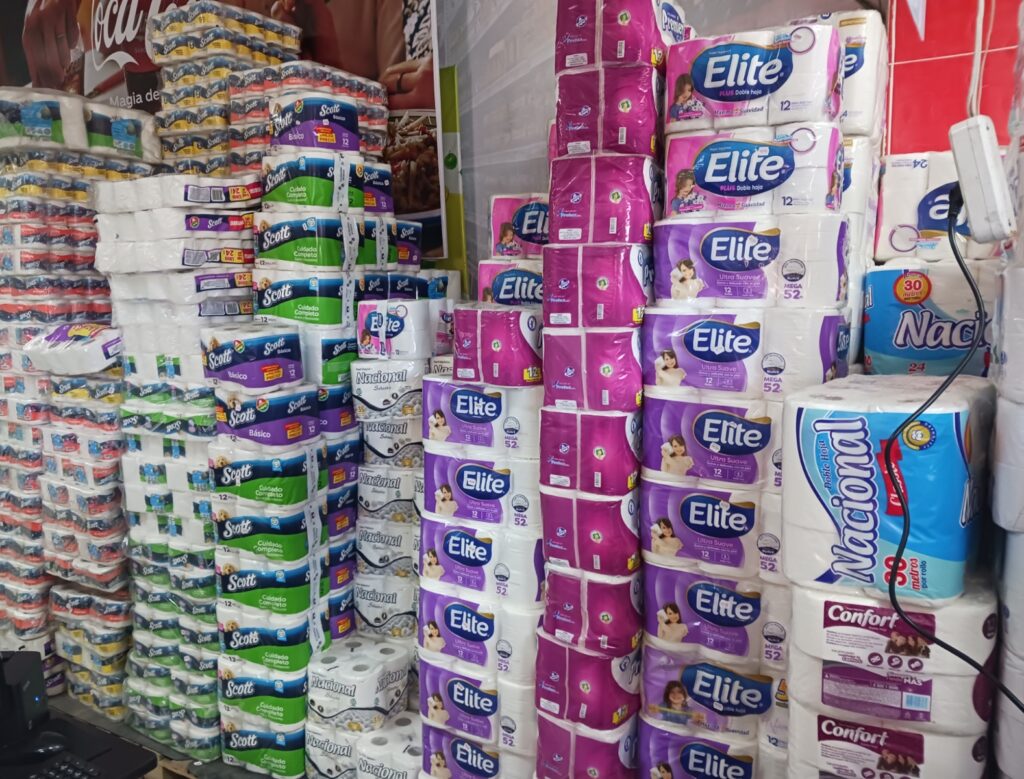
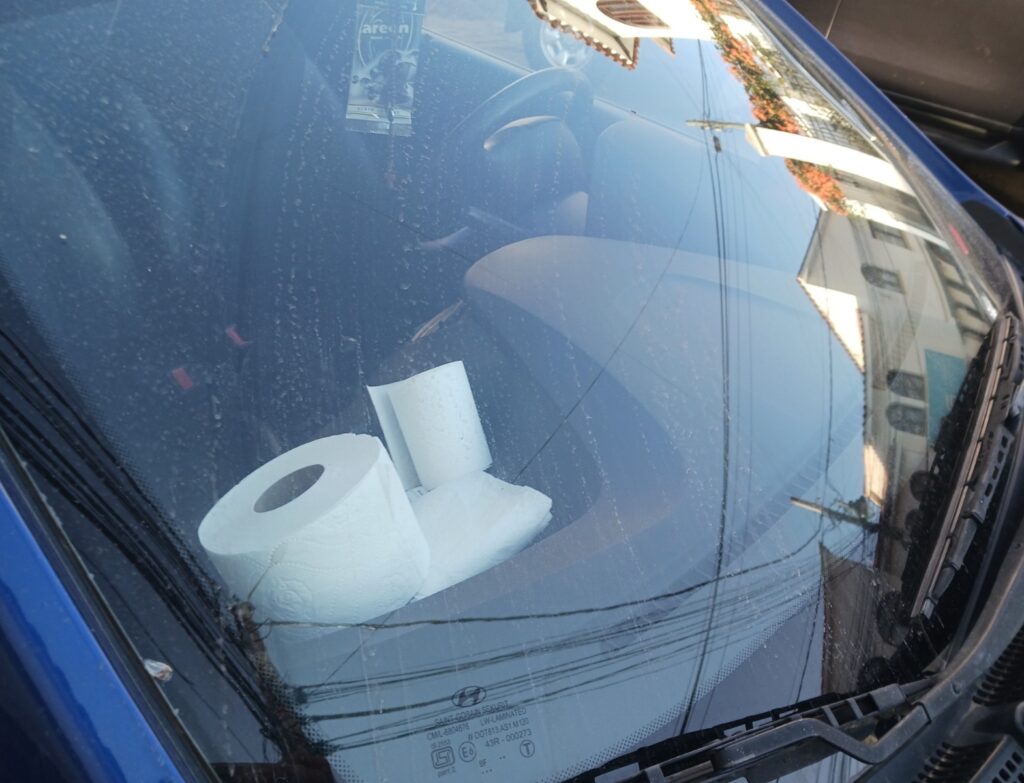
Supermarkets stack them like gold bars in a Swiss bank vault. Street vendors sell them everywhere, and it’s not uncommon to see the rolls covered with a net to prevent theft. Every taxi and bus driver proudly displays their roll of toilet paper, wedged between the windshield and dashboard, almost as if to say, “Look, I’ve got one too.”
In short, this stay in Bolivia was definitely not the highlight of the trip. Looking back, we could have easily gone somewhere else and wouldn’t have missed much. Of all the destinations we visited during this long journey, Bolivia closely follows the Philippines in first place for the most forgettable countries.
Is Boliva Worth Visiting?
Honestly, no. The only interesting part is the South Lípez. Of course, someone might tell me that I haven’t seen the east of the country, the Amazon, and that it’s beautiful. Maybe, but I doubt it’s as stunning as in Brazil or Colombia. The cities aren’t interesting. The people aren’t warm. The food might make you spend the night with your head in the toilet. Honestly, go visit Chile. Do the Atacama Desert and take a 4-day tour to explore southern Bolivia. Then return to Chile and visit something else. That way, you’ll make the most of your time and money and discover places that are more worth your while.
Check out Benjamin’s Travel Reflections:
Find all our other articles on Bolivia: