
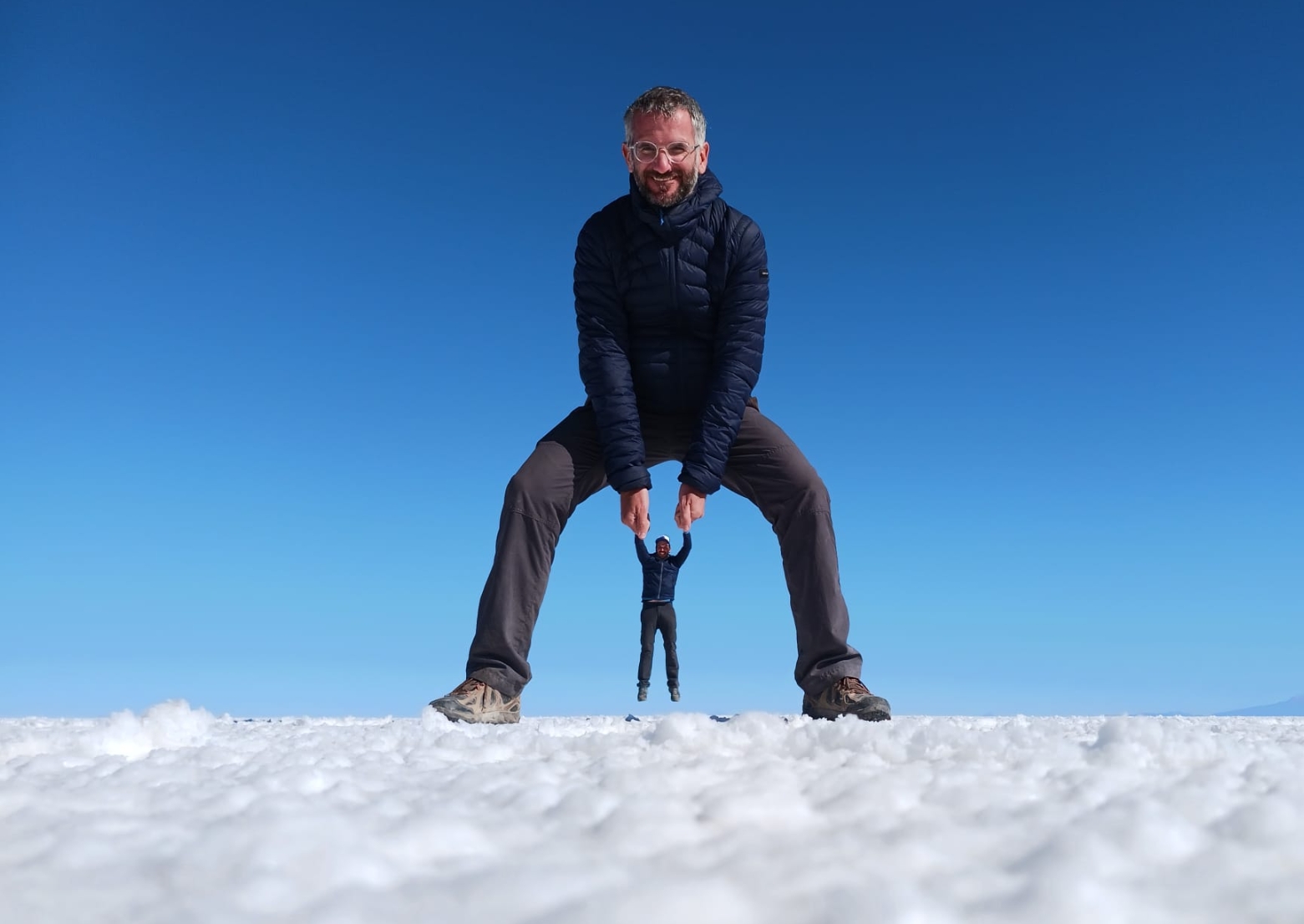
THE HAIRY GIRAFFE… IN BOLIVIA
After two weeks in Bolivia, it’s time to reflect. How did we experience this journey? What were our joys, disappointments, questions, doubts, and discoveries? This is not merely an assessment of a country but rather of a trip—how we perceived it individually and subjectively.
 We are François and Benjamin, Canadian and French giraffe hairstylists and travel enthusiasts. On this blog, discover our travels, tips, moods, and everything you need to become a giraffe hairstylist and embark on travelling the world. An honest blog with photos guaranteed 100% unfiltered and untouched. |
Benjamin’s Travel Reflections
Bolivia was the last country on our 8-month trip around the world (except for a 2-day layover in Bogotá). After exploring the Atacama Desert, the Sud Lípez region and the Uyuni Salt Flats seemed like a natural next step. And since we were already there, we figured we might as well visit a few cities (Potosi, Sucre, La Paz) and the famous Lake Titicaca. We quickly ruled out a detour to the Amazon, having already been to Brazil the previous year.
François seemed excited about spending these two weeks in Bolivia. As for me, I had serious reservations. Despite spending a lot of time reading travel blogs and websites, nothing about the country really appealed to me—except for the far south (Sud Lípez and the Uyuni Salt Flats). After two weeks, unfortunately, my opinion hasn’t changed much…
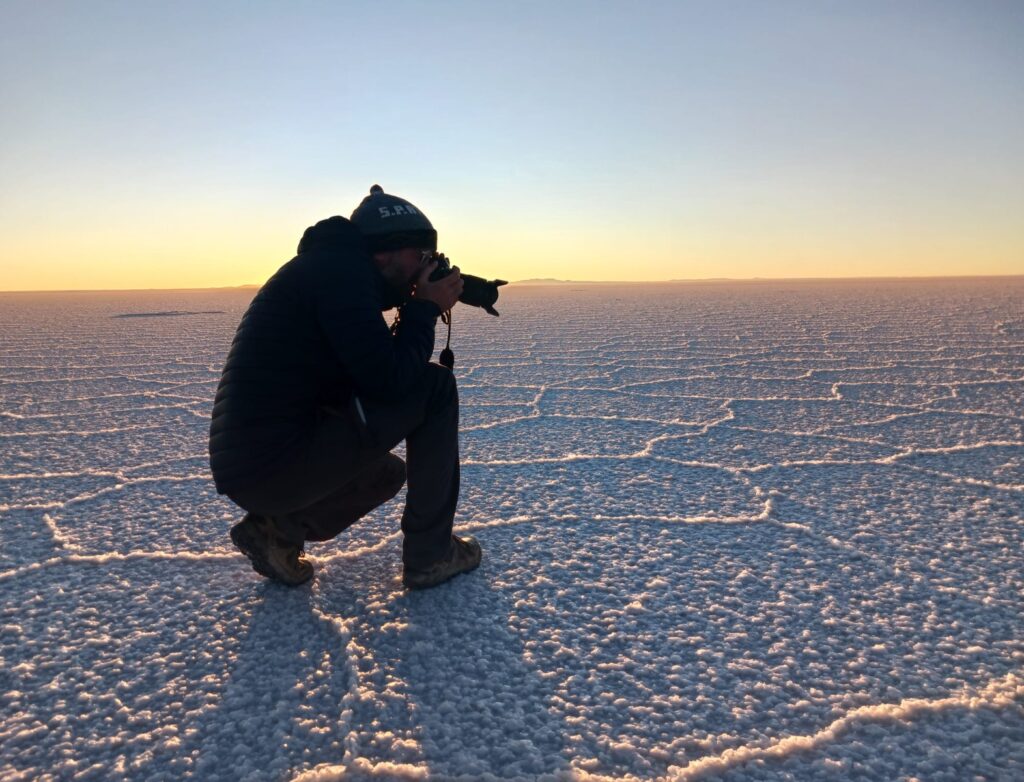
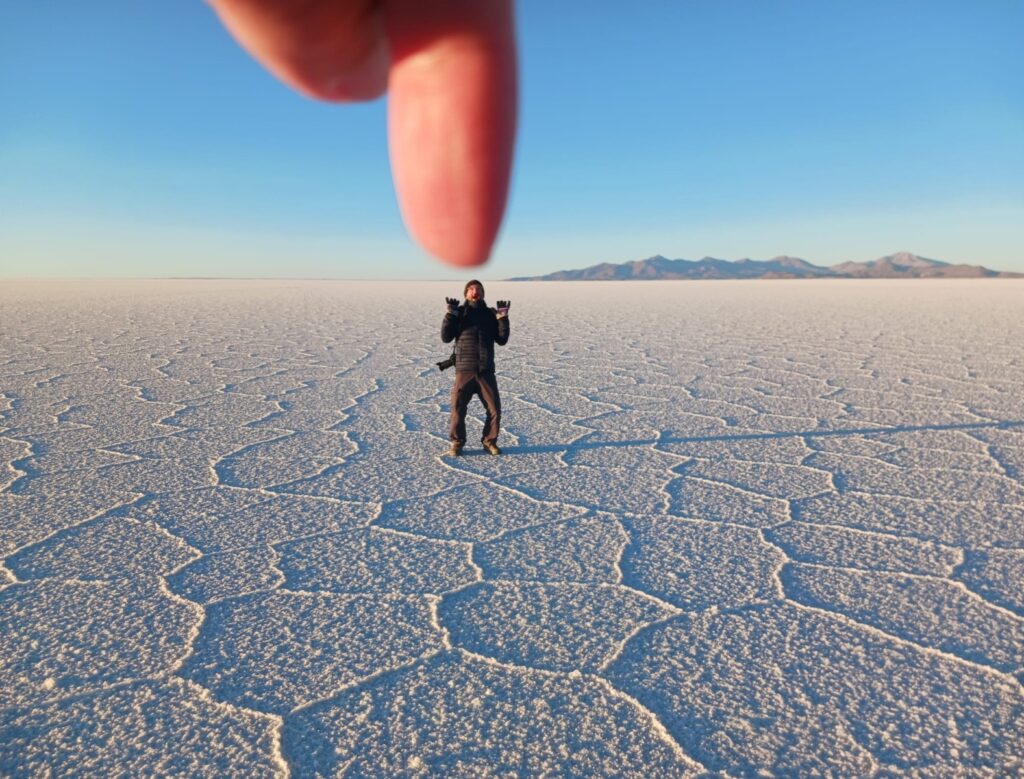
From San Pedro de Atacama, we explored the Sud Lípez region for three days. What an incredible experience! It was obvious—especially on the first day—that we were witnessing some of the most stunning landscapes in the world. Those days reminded me, in the clearest way possible, why I love traveling so much. A unique feeling of standing before Nature’s most awe-inspiring creations. Landscapes of such immense, almost divine beauty that you feel like the tiniest of creatures—yet you emerge from the experience feeling transformed, as if facing them has made you grow. The same feeling I had the first time I saw Tree of Life in the cinema—a sensation that never stops making me question my place in an infinite universe beyond my comprehension.
If the Sud Lípez is a place of superlatives, the rest of the country offers a completely different experience. And yet, the three-day tour is sometimes uncomfortable, and I’m generally not a big fan of organized tours. But honestly, Bolivia will remain one of the countries I enjoyed the least. I was simply bored there.
Yes, the Andean landscapes are beautiful, but most cities have little architectural interest, car pollution is everywhere, food hygiene is often poor, most Bolivians have closed-off expressions and aren’t particularly welcoming, you constantly feel like you’re being scammed (nothing too serious, but over time, it gets exhausting), and every bus ride is a dangerous adventure—given the outdated buses, lack of seat belts, absence of breaks, and reckless driving. In short, traveling in Bolivia brought me little joy, and overall, I found the experience quite unpleasant.
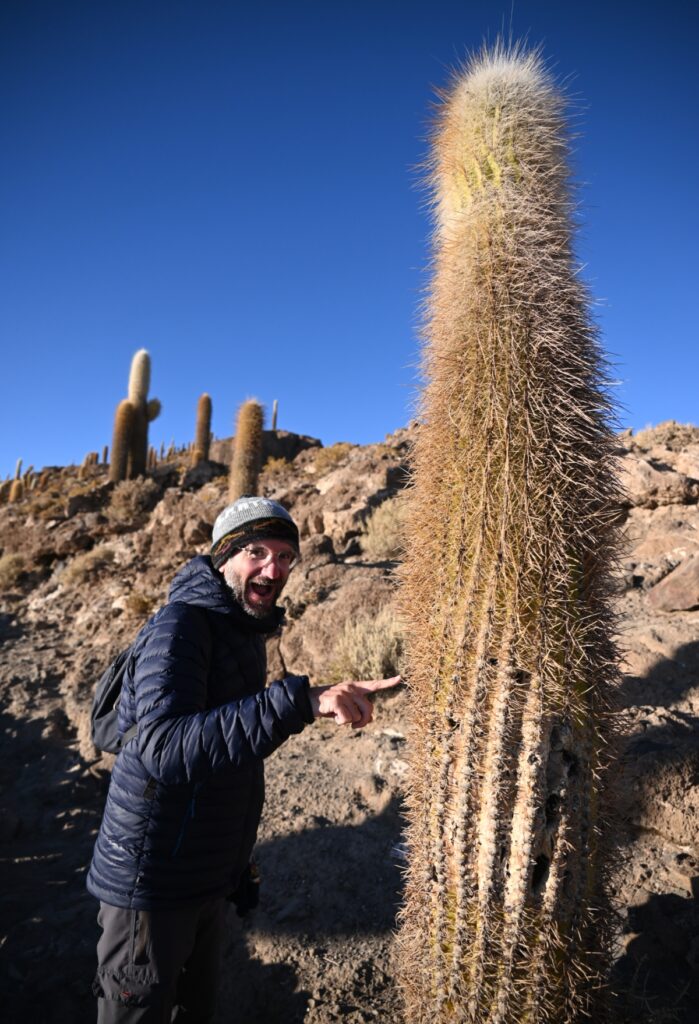
I’m willing to overlook some discomfort, unfriendly locals, or poor hygiene if it means experiencing something truly extraordinary or witnessing incredible wildlife or landscapes. But aside from the Sud Lípez, nothing in Bolivia struck me as exceptional. Sure, the city of Potosí is charming, but you can see it all in under an hour. Yes, Sucre’s city center is beautiful, but again, it’s not enough to fill an entire week! And yes, Lake Titicaca is pretty, but any Mediterranean coastal town or Canadian lake is just as scenic. As for La Paz, it’s neither beautiful, nor peaceful, nor clean—it doesn’t exactly invite you to stay.
Some might find me jaded. Of course, I compare it to my other travels. But travelers generally have a choice in their destinations. And there are so many other countries that are more exciting, more beautiful, or simply more welcoming (starting with neighboring Peru, whose archaeological sites add an incomparable dimension) that I would rank Bolivia fairly low on my list of places to visit.
Do I regret going to Bolivia? Of course not—every trip brings its share of surprises and lessons. For this round-the-world journey, I wanted an itinerary that would allow us to experience the world’s diversity firsthand. And traveling in Bolivia, which contrasts so sharply with Japan, China, or the United Arab Emirates, has certainly broadened my perspective. Bolivia also reinforces the idea that a country can be poor—some of its cities are indeed very poor—yet still not be overwhelmed by waste. A striking contrast with India.
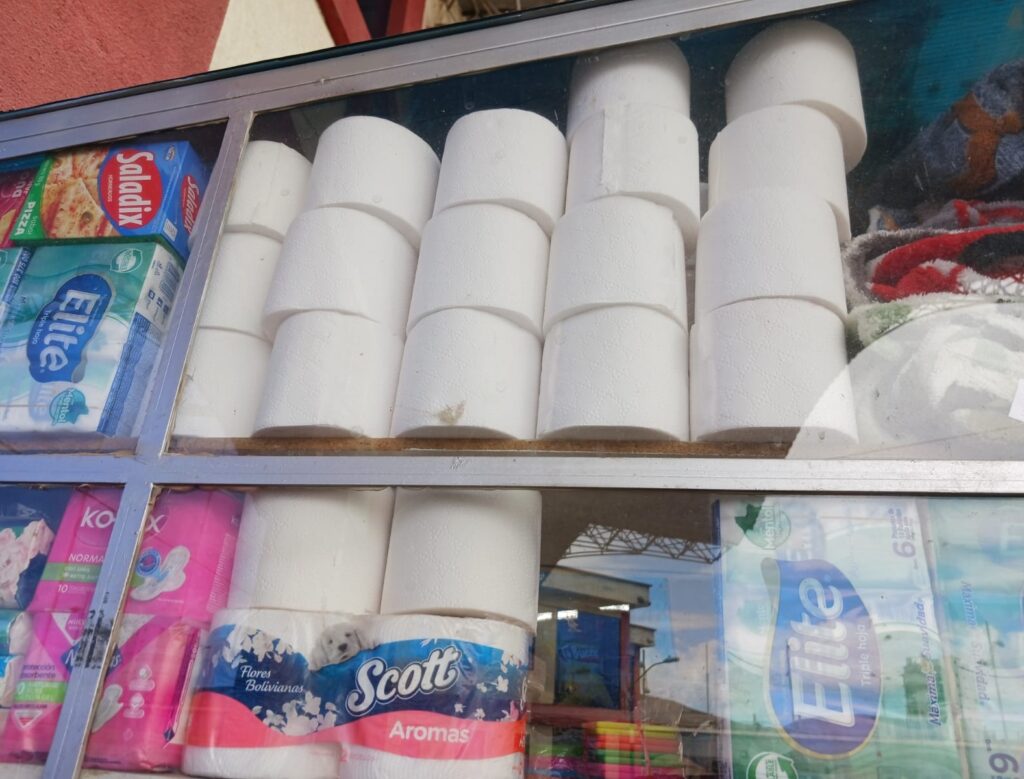
On a more anecdotal note, I was surprised by the Bolivians’ peculiar relationship with toilet paper. In Bolivia, public restrooms are never free (and can be quite expensive in parks or at the border with Chile…). When you pay, you’re given three sheets of toilet paper, as if they were sheets of gold… It’s also not uncommon to see toilet paper rolls sold individually at markets. In fact, some stores sell nothing but toilet paper! Many Bolivians even keep a roll in their car, proudly displayed behind the windshield. It’s a far cry from the discreet and ultra-hygienic approach the Japanese have to toilets…

In the end, finishing this world tour in Bolivia turned out to be a good thing—it makes the return home less difficult. I can safely say I would have been much sadder to leave Hawaii or New York than Bolivia…
After eight intense months of travel, it’s exhausting to pay inflated prices just because you’re a foreigner (and therefore, in the eyes of the seller, automatically rich). Exhausting to pay terminal fees for a bus that leaves empty, only to stop a kilometer later and pick up 50 people who bypass the fee and delay the departure by an hour. Exhausting to constantly watch what you eat—only to still end up, like François, with brutal food poisoning. Exhausting to reread travel blogs that describe Bolivian cities as hidden gems and not share their enthusiasm (when 80% of a city’s buildings are covered in graffiti, unplastered, and unpainted, I struggle to find them beautiful). Exhausting to arrive at a hotel you booked months ago only to find it closed due to a nationwide roadblock that ended four days earlier.

If I had to do it all over again, I wonder if the best option wouldn’t have been to simply head back to San Pedro de Atacama or take the long Uyuni-La Paz journey just to leave the country after seeing the only part truly worth the trip: the Sud Lípez.
When traveling, time and money are precious—and often too scarce—resources. The 10 or 15 days saved this way could definitely be better spent elsewhere rather than roaming Bolivia’s roads, unless you’re a die-hard Latin America fan.
But one thing this month in Chile and Bolivia has confirmed for me: my heart leans more toward Asia. That’s part of traveling too—learning more about yourself through your highlights and disappointments.
Check out François’ Travel Reflections:
Find all our other articles on Bolivia:


